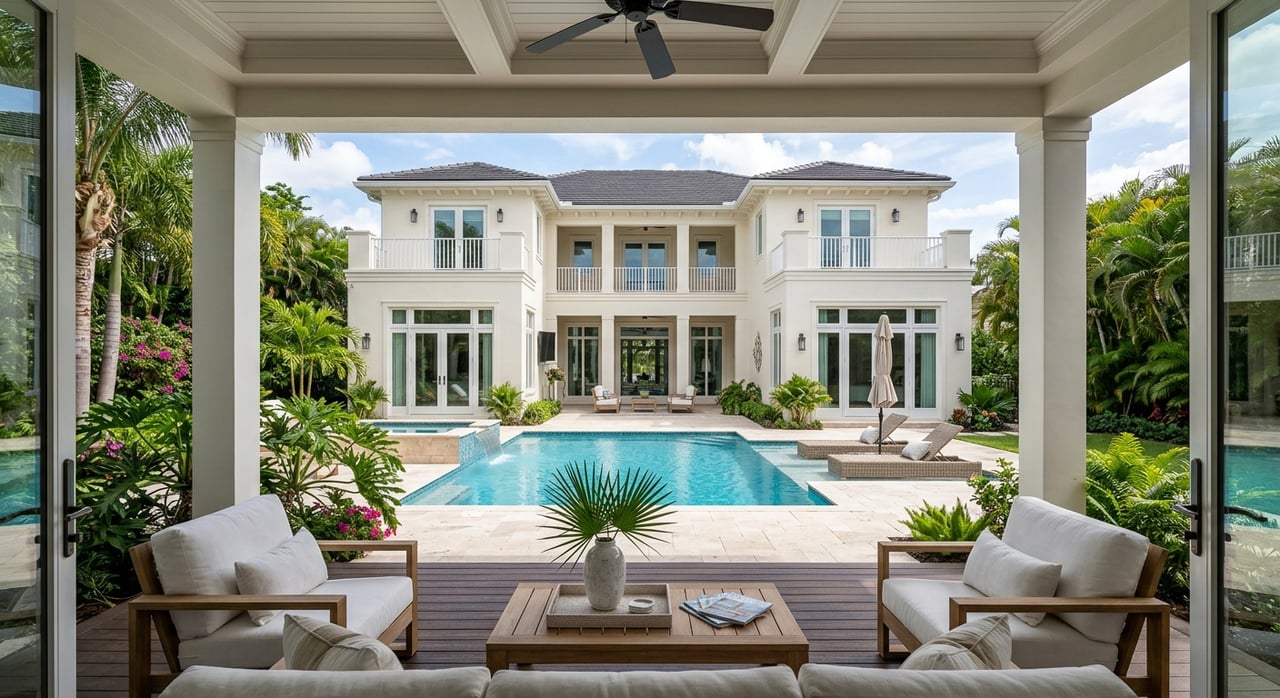
Choosing Gated Or Non-Gated Living In Wellington
June 11, 2026
June 11, 2026
Wondering whether a gated or non-gated neighborhood is the better fit in Wellington? You are not alone. Many buyers like Wellington for its parks, trail network, neighborhood variety, and strong overall quality of life, but the right setting often comes down to how you want to live day to day. If you are weighing privacy, convenience, amenities, and HOA structure, this guide will help you compare your options with more confidence. Let’s dive in.
In Wellington, the choice is usually less about whether one option is "better" and more about which lifestyle feels easier and more comfortable for you. The Village is known for its parks, public infrastructure, attractive neighborhoods, and equestrian identity, so both gated and non-gated areas can offer a strong residential experience.
A gated community often appeals to buyers who want more controlled access, bundled amenities, and a more managed neighborhood environment. A non-gated neighborhood may appeal more if you prefer simpler access, fewer layers of rules, or a lower-fee setup while still enjoying Wellington’s public amenities.
Gated communities in Wellington typically offer more structure. In communities such as The Isles at Wellington, residents may have features like a 24-hour security attendant, roving security, a clubhouse, pool and spa, sports courts, fitness facilities, playgrounds, and walking paths.
That kind of setup can feel convenient if you want many services wrapped into one neighborhood. Some communities also include extras in HOA dues, such as cable or alarm monitoring, which can make budgeting feel more straightforward even if the monthly dues are higher.
Gated neighborhoods can also come with more formal processes. Some communities use buyer or renter applications, HOA meetings, and architectural review procedures that shape how the neighborhood is maintained over time.
Non-gated living in Wellington is not the same as having no structure at all. Some non-gated neighborhoods still have HOAs, townhome layouts, or shared maintenance standards. The key difference is usually access rather than whether the area is organized.
Many buyers like non-gated neighborhoods because daily life can feel less complicated. Guests, deliveries, service providers, and regular neighborhood traffic often move in and out more easily, which can be a real advantage if you have a busy household or entertain often.
This option also works well in Wellington because the Village maintains many public-facing amenities. You may not need a private clubhouse or gatehouse if your lifestyle already centers on public parks, trails, aquatics, and recreation spaces.
For many buyers, the biggest real-world difference is access control. Gated communities add a layer of entry management, while non-gated neighborhoods usually make it easier to come and go without extra coordination.
That can affect more than just visitors. It may shape how you think about package deliveries, after-school pickups, service appointments, and even casual meetups with friends and family.
Wellington’s resident survey data shows strong overall satisfaction with safety and neighborhood quality across the Village. That is important because it suggests your decision should focus more on your preferred lifestyle and level of convenience, not just a simple assumption about safety.
If you are comparing communities, do not stop at the monthly HOA number. In Florida mandatory HOA communities, buyers must receive a disclosure summary before signing, and that disclosure makes clear that assessments and special assessments may be required and can change.
It also means unpaid assessments can become a lien. For you as a buyer, that makes the HOA documents just as important as the advertised dues.
In Wellington, gated communities often have higher dues because they may include gate staffing, access systems, roving security, landscaping, common-area upkeep, private-road maintenance, and broader amenity packages. By contrast, non-gated communities may have lighter dues if they do not support a gatehouse, private road network, or extensive recreational facilities.
Two neighborhoods can look similar on a map and still have very different monthly carrying costs. One reason is that Florida law allows assessments to vary based on the level of services received.
That helps explain why a more managed gated neighborhood may cost more month to month. You may be paying for a larger service package, not just the presence of a gate.
When you compare homes, ask yourself whether the higher dues support services you will actually use. A fitness center, staffed gate, private roads, and bundled utilities may be worth it for one buyer and unnecessary for another.
Maintenance responsibility is one of the most important details to verify before you buy. Wellington Public Works maintains Village-owned roadways, while Acme identifies separate categories for public roads, county or FDOT roads, private HOA roads, and even public unpaved roads in equestrian areas.
That means you should not assume all neighborhood streets are maintained the same way. Road ownership can affect who handles resurfacing, sidewalk issues, drainage areas, signage, street sweeping, and other routine upkeep.
This matters because some buyers want a lower-maintenance lifestyle, while others are comfortable with a more independent setup. The right answer depends on how much predictability you want and which tradeoffs feel reasonable to you.
One reason non-gated living can work especially well in Wellington is the strength of the Village’s public amenity system. Acme reports 32 park sites and about $63 million invested in parks and recreation equipment, facilities, and land improvements.
Official Village facilities include places such as the Aquatics Center, Olympia Park, Wellington Green Park, Village Park, and other neighborhood parks. If you expect to spend more time using public spaces than private neighborhood amenities, a non-gated or lightly managed community may offer plenty without the cost of a larger private amenity package.
This public investment gives buyers more flexibility. You can choose a home based on layout, location, and budget without feeling locked into a country-club-style neighborhood model.
Wellington also stands out for its trail and preserve system. Official Village sources describe more than 57 miles of trails, and another Village page says Wellington maintains more than 100 miles of public and private bridle trails.
Those trail systems support hiking, biking, running, and riding. For buyers drawn to Wellington’s equestrian side, that creates a very different daily feel from a guard-gated subdivision with curbed streets and a clubhouse-centered layout.
Acme also notes that some equestrian-area roads are public but unpaved shell-rock or compacted roads. If you are considering that lifestyle, it is smart to think beyond aesthetics and picture your day-to-day routine, vehicle needs, and maintenance expectations.
If golf-cart use matters to you, this is a detail worth checking early. Wellington’s golf-cart ordinance applies to designated Village roads and multi-modal pathways, but the Village does not regulate golf-cart use within gated communities or on private property or private roads.
That means your experience may differ depending on whether the home is in a gated private-road setting or on a Village-connected route. If golf-cart mobility is part of your ideal lifestyle, ask specific questions during tours rather than assuming the same rules apply everywhere.
A home tour is the best time to move past surface impressions and compare the practical details. Bring a short list of questions so you can evaluate each neighborhood consistently.
Here are some of the most useful ones to ask:
These questions can save you from surprises later. They also help you compare neighborhoods based on how you live, not just how the entrance looks.
A gated community may fit you best if you want more access control, bundled services, private amenities, and a more managed neighborhood setting. This can be especially appealing if you value predictability and prefer many lifestyle features built into the community itself.
A non-gated neighborhood may fit you better if you want easier access, more flexibility, and the ability to rely on Wellington’s public parks, trails, and recreation assets. It can also be a smart choice if you want to keep monthly costs more focused on the home itself rather than a larger service package.
In the end, Wellington gives you strong options on both sides. The goal is not to choose the trendier label. It is to choose the setting that supports your routines, priorities, and comfort level for the long term.
If you are comparing neighborhoods in Wellington and want help looking past the gate to the details that really matter, Jeanne Gordon can help you evaluate communities, costs, and lifestyle fit with clear local guidance.
Stay up to date on the latest real estate trends.


Get assistance in determining current property value, crafting a competitive offer, writing and negotiating a contract, and much more. Contact me today.