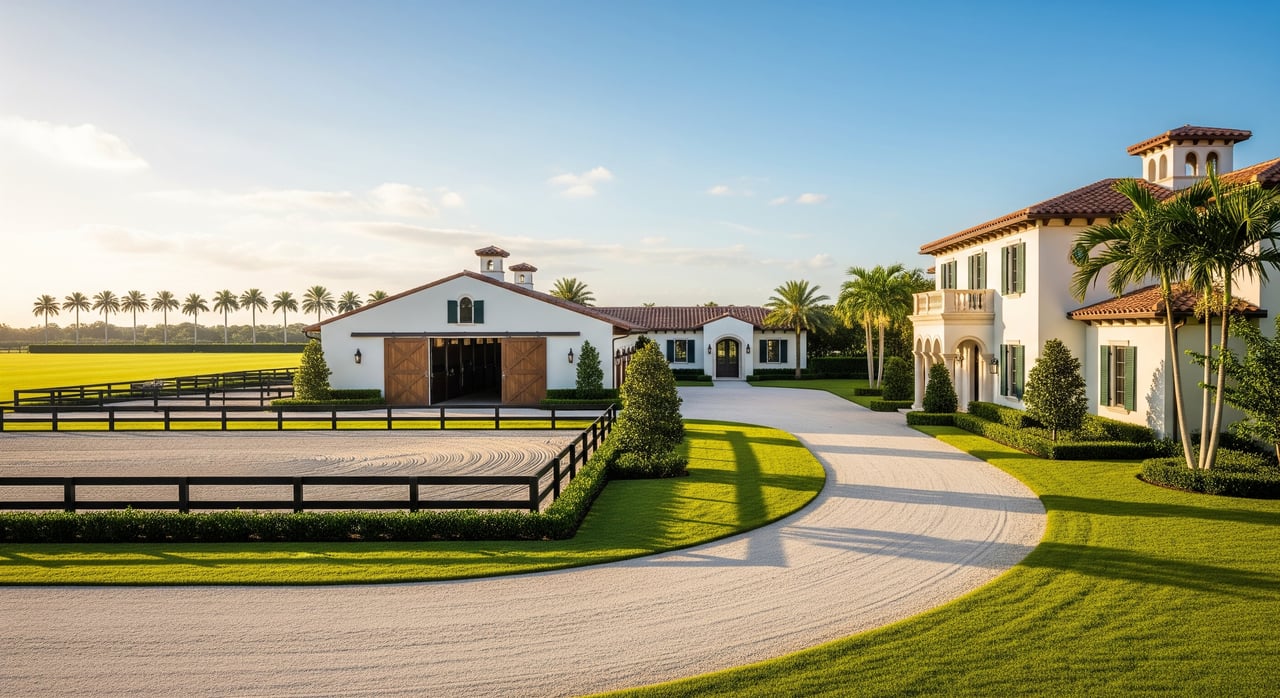
Selling in Polo West Estates during Wellington’s Winter Equestrian Festival can be a smart move, but timing is everything. You want your home at peak presentation when the right buyers are in town and ready to act. In this guide, you’ll learn how to map your listing date to the WEF calendar, follow a clear 90-day prep plan, and manage showings like a pro. Let’s dive in.
Why WEF timing matters
The Winter Equestrian Festival typically runs from mid-January to early April, drawing national and international riders, trainers, owners, and investors to Wellington. Buyer traffic concentrates during active show weeks, with especially strong turnout around marquee and finals weeks, often in March. Polo West Estates is close to the showgrounds, so many motivated equestrian buyers aim for homes here because of the short commute.
The takeaway is simple: align your listing’s go-live date and showing availability with the weeks your target buyers will be in town. When your property is fully market-ready early in the season, you maximize exposure to the most qualified audience.
Best windows to go live
You have a few proven approaches. Choose the one that matches your goals and prep timeline, then confirm the exact WEF dates before finalizing.
- Pre-season list: Go live just before WEF begins. You capture buyers arriving for the start of the circuit and benefit from full-season visibility.
- In-season list: Launch during WEF. This works if you can offer flexible showings and leverage in-person traffic between competition times.
- Target-week list: Time your launch so your listing is active 1 to 2 weeks before the marquee week you want to capture. This requires tight scheduling and early broker outreach.
Listing too early can mean fewer in-person equestrian buyers. Listing too late can miss the peak pool. Plan to complete repairs, staging, photography, and disclosures 30 to 60 days ahead of your target show weeks.
90-day prep timeline
Use this phased plan to get your property market-ready without last-minute stress.
90 to 61 days: Systems and documents
- Gather key documents: deed, surveys, HOA and CC&R rules for Polo West Estates, barn permits, maintenance records.
- Schedule inspections: general home plus barn and equestrian systems to identify issues with roof, electrical, plumbing, arena drainage, and fencing.
- Complete critical repairs: fix fencing and gates, address arena footing and drainage, service roof and HVAC, and resolve well or septic concerns.
- Verify utilities and irrigation: ensure water supply, flood control, and irrigation are functioning and compliant.
- Review insurance and any lease or boarding agreements if horses are on-site or the property is rented seasonally.
- Research flood zone details and likely insurance needs so you can prepare accurate disclosures.
60 to 31 days: Curb appeal and marketing prep
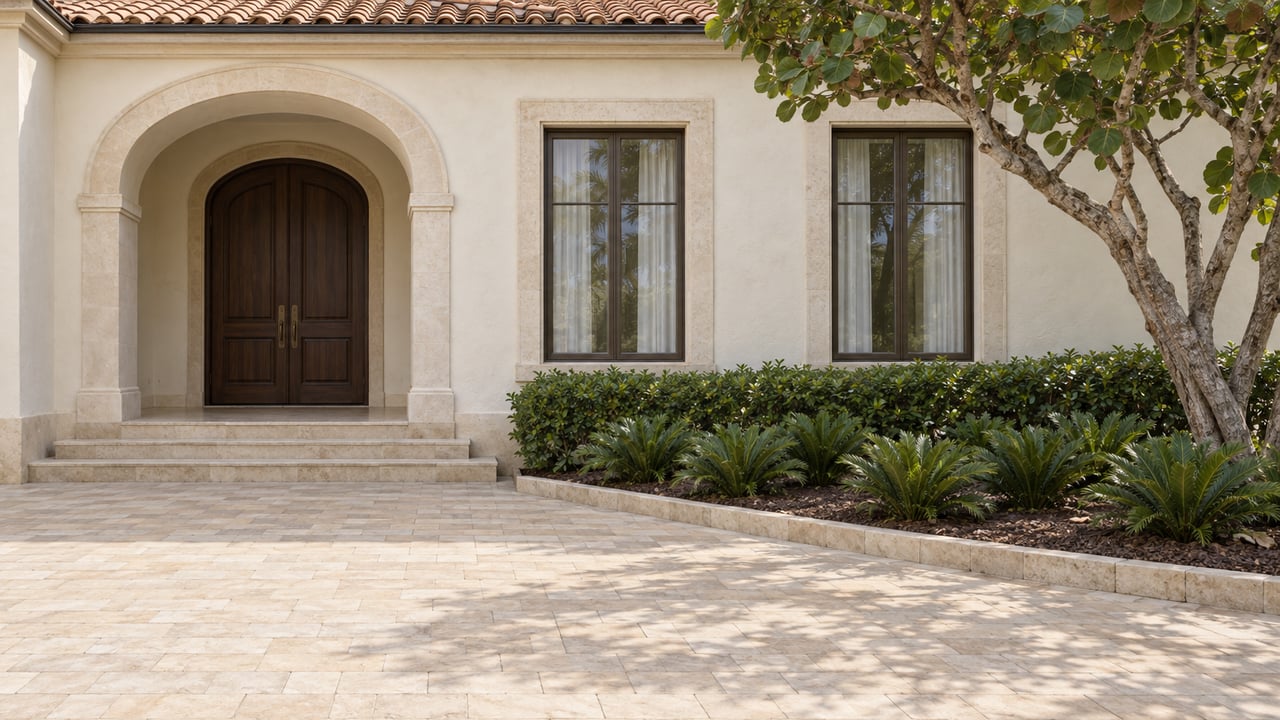
- Landscape for impact: trim palms and trees, refresh the driveway and entry, clean property lines, and add seasonal plantings that photograph well.
- Barn and paddocks: deep clean, remove clutter and old hay, paint barn doors in neutral tones, groom paddocks, and polish hardware.
- Interiors: paint in neutral colors, repair visible wear, declutter, depersonalize, and deep clean.
- Book photography and drone: choose a team experienced with acreage and equestrian properties to showcase layout and proximity to the showgrounds.
- Build your buyer packet: include barn maintenance history, fencing records, arena specs and maintenance notes, well and septic certifications, and any footing or soil tests.
- Create marketing highlights: commute time to the showgrounds, arena dimensions and footing type, stall count, tack features, turnout acreage, and recent upgrades.
30 to 0 days: Launch and show strategically
- Final touches: complete staging, schedule twilight and daytime photos, and capture aerials showing property orientation and access.
- Virtual options: provide a high-quality video tour and floor plan for out-of-state and international buyers.
- Access and security: coordinate gate procedures with the HOA, set up guest passes, and write clear instructions for agents and visitors.
- Tenant or boarder coordination: share a showing schedule in writing and define expectations for safe, clean access.
- Broker outreach: plan a broker open and connect with local equestrian networks before your go-live date.
- Go live: publish to the MLS and update the listing to note immediate showing availability during your target weeks.
Stage for equestrian buyers
Small details signal safety, care, and functionality. Focus on clarity, cleanliness, and layout.
Exterior and site
- Make the entrance obvious and polished with clear signage and a neat driveway.
- Highlight the functional plan: show where the barn sits relative to the house, arena orientation, paddocks, trailer parking, and service access.
- Emphasize safety: freshly painted fencing and gates, secure latches, clean electrical around the barn, and tidy feed areas.
- Clarify usable acreage: buyers will look closely at actual turnout and pasture versus any wet or unusable areas.
Barn and stable areas
- Empty at least one stall to show true size and condition.
- Clean wash racks and tack rooms, and remove signs of pests.
- Repair or replace any broken stall doors, wiring, or brittle hoses. Ensure gutters and drains function.
- Improve lighting along aisles and stalls for safety and better showings.
Arena and footing
- Groom footing for a consistent, well-maintained look. Mark standard dimensions if space allows.
- Prepare a brief note for buyers: when the arena was built, last reconditioning date, footing type, and irrigation setup.
Interior lifestyle cues
- Keep it calm and neutral. Add subtle equestrian touches like a neat boot area or tasteful art.
- Showcase practical features: mudroom or boot wash, laundry capacity, storage, and easy transitions between house and barn.
Photos and listing assets
- Use aerials and drone video to show proximity to the WEF showgrounds and the property’s internal layout.
- Photograph the tack room, wash racks, arena, paddocks, and trailer parking access.
- Include a one-page spec sheet covering stall counts, arena size, turnout acreage, fencing types, and recent maintenance.
Showings during WEF
Timing and access can make or break your momentum when the circuit is in full swing.
Scheduling windows
- Offer flexible time slots. Many buyers are at the show during the day, so late afternoons, evenings, or non-competition mornings often work best.
- Share a regularly updated calendar with buyer agents that flags open windows and blackout times.
Gate and access
- Confirm gate rules, guest pass procedures, vendor permits, and signage guidelines with the Polo West HOA.
- Provide precise directions for on-site parking and trailer staging, plus a contact for day-of coordination.
Tenants and boarders
- Give written notice of showings per lease and HOA rules.
- Consider temporary relocation or limited access for resident horses to keep areas safe and clean during visits.
Parking and safety
- Identify spaces for trailers and multiple vehicles in advance. If space is tight, arrange temporary trailer staging options nearby.
- Keep high-touch surfaces clean and share simple biosecurity expectations, such as no entering stalls with dirty boots.
Remote and virtual tours
- Offer live virtual tours timed to WEF weeks for international and out-of-state buyers.
- Be ready to move quickly on inspections and paperwork for buyers with limited time in town.
Pricing, disclosures, and expectations
Pricing the equestrian value
Price based on usable acreage, barn quality, arena condition, fencing, and proximity to the showgrounds, plus recent Polo West Estates comparables. Seasonality can increase urgency during WEF, but buyers will weigh functional features and maintenance history carefully.
Disclosures and documentation
Prepare standard disclosures plus equestrian-specific items: well and septic reports, any chemical or hay storage history, permits for barn and arena structures, and incident history related to fencing or animal safety. Include flood zone status and estimated insurance needs, along with HOA rules on horses, structures, and parking.
What buyers will ask
Expect questions about arena footing and maintenance, turnout acreage and pasture health, water supply, manure management, fly control, drainage or flooding history, and access to local veterinarians and trainers. Plan for inspections that go beyond the home, including barn systems, fencing, and arena verification.
Vendor team checklist
Core vendors
- General home inspector for roof, HVAC, electrical, and plumbing.
- Equestrian-savvy inspector or contractor for stalls, barn structure, footing and drainage, and fencing.
- Licensed contractors for repairs across fencing, roofing, electrical, irrigation, and arena work.
- Landscape team for curb appeal and paddock cleanup.
- Barn cleaning and hay removal service with pest control support.
- Photographer and videographer with equestrian experience and drone capabilities.
- Professional stager familiar with high-end and equestrian properties.
- Realtor with deep Wellington and equestrian market experience.
- HVAC and pest control technicians.
- Title and closing agent, plus a local attorney who understands equestrian considerations such as easements and zoning.
Optional specialists
- Arena contractor or footing specialist for testing and certification.
- Soil and drainage consultant if you have soggy areas.
- Equine veterinarian or boarding manager letter documenting barn condition and use.
- Lighting or electrical contractor for barn and exterior safety lighting upgrades.
Local tips for Polo West Estates
- Proximity is your headline. Use aerials to show how close you are to the WEF showgrounds and the most efficient driving route.
- HOA rules may affect signage, access, and trailer parking. Confirm details early so showings run smoothly.
- Flood and storm readiness matter in Palm Beach County. Be ready to discuss flood zones, drainage improvements, and hurricane preparedness for the barn and outbuildings.
- Vendor schedules fill up during WEF. Book repairs, photography, and staging well in advance.
Next steps
- Confirm the current year’s WEF calendar and identify your target weeks.
- Work backward 60 to 90 days to set your prep, photo, and launch milestones.
- Compile your buyer packet and complete key repairs in the first phase.
- Coordinate gate access and a clear showing calendar for peak weeks.
- Prepare broker outreach and virtual tour options for remote buyers.
If you want a customized timeline for your home, a polished marketing plan, and guidance tailored to Polo West Estates and the wider Wellington market, connect with Jeanne Gordon. Request Your Home Valuation and align your launch with peak equestrian demand.
FAQs
When should I list to capture peak WEF buyers in Wellington?
- Aim to be fully market-ready and live 1 to 2 weeks before the WEF weeks you expect the most buyer traffic, with prep completed 30 to 60 days in advance.
How far ahead should I start prepping my Polo West Estates property?
- Start 60 to 90 days out for inspections, repairs, staging, and photography so your listing is ready for your target show weeks.
What should I do with horses on-site during showings?
- Relocate or manage horses so key areas are clean and safe, limit access to active areas, and communicate the plan in advance to buyer agents.
Which disclosures matter most for equestrian buyers in Palm Beach County?
- Provide flood zone and insurance details, well and septic status, barn and arena permits, maintenance histories, and HOA or CC&R rules on horses and structures.
Do I need drone photos for an equestrian listing in Polo West Estates?
- Yes, aerials help buyers understand layout, usable acreage, access, and proximity to the showgrounds, which are critical to equestrian decision-making.