On Palm Beach Island, "New" Restaurant Usually Means Old Room
September 17, 2026
September 17, 2026
Sit down at Coco's this month and look up. Above the dining room, tucked into the plasterwork, there's a leopard motif worked into the ceiling design. It's a wink, not a revival. The room used to be the Leopard Lounge, the Chesterfield Hotel's clubby night spot with leopard-print carpet, a leopard statue perched on the piano, and a 1992 fresco of nymphs that regulars nicknamed after the Italian artist who painted it. Rod Stewart stopped in. Lauren Bacall stayed upstairs. None of that is what's on the menu now. Coco's serves Mediterranean plates, sea bass with fennel puree, steak Diane made with Australian wagyu, in a space that leans toward the Riviera rather than the old bar's late-night theatrics.
That's the real story of Palm Beach Island dining in 2026. If you've been reading the buzzy roundups promising a wave of new restaurants on the island, the fine print tells a different story: most of what's landing this year isn't new at all. It's old rooms with new operators, new names circling back to old ones, and permits still waiting on paint. The one genuinely new concept to open on the island itself in the past year stands out precisely because it's the exception, not the rule.
The building at the center of this year's biggest opening has worn four names in a century. It opened in 1926 as the Lido-Venice, part of the same building boom that produced The Boca Raton and The Biltmore in Coral Gables. It became The Vineta not long after, a name it carried for nearly fifty years, then became The Chesterfield under the Red Carnation Hotels group, home to that Leopard Lounge. British investors David and Simon Reuben, through their firm Reuben Brothers, bought the property in 2022. This March, it reopened as The Vineta again, now under Oetker Hotels, the German luxury group behind Hotel du Cap-Eden-Roc on the French Riviera. It's Oetker's first managed property in the United States.
The renovation, led by Paris-based designer Tino Zervudachi, trimmed the room count from 53 down to 41, a deliberate move to make each room larger and the whole property feel more private. Coco's, the restaurant occupying the old Leopard Lounge footprint, is run by Executive Chef Brian Rodriguez with menu input from Hotel du Cap-Eden-Roc's own kitchen team. The building sits two blocks off Worth Avenue, close enough to walk to the shops but far enough to keep its own weather.
None of this is invention. It's restoration with new ownership and a new kitchen. The bones, the address, even the joke about the leopard are all inherited.
If Coco's shows how quickly a century-old room can come back once the money and the plan align, Ta-boo shows the opposite. The Worth Avenue institution closed in May 2023 after an 82-year run, forced out by an eviction dispute. Within days, word came that chef Thomas Keller, who grew up in Palm Beach and washed dishes at the Palm Beach Yacht Club as a teenager, had taken over the lease at 221 Worth Avenue. The plan was to bring the Ta-boo name back under his ownership, restoring the murals and even rebuilding the bar in its original spot.
The Palm Beach Town Council approved the site plan and the special exceptions needed to reopen a restaurant on Worth Avenue in early 2024. That was two and a half years ago. As of the most recent reporting, Keller has also been finalizing a separate restaurant project in downtown West Palm Beach, a signal that his attention, and possibly his timeline, has been split. The storefront on Worth Avenue is still dark. Approval is not the same as an opening date, and on this stretch of the island, the gap between the two can run for years.
If you've walked past that empty space and wondered when Ta-boo is coming back, the honest answer right now is: nobody outside the project has a firm date, and the island's own permitting history says not to expect it soon.
Against that backdrop, The Polo Room stands out for being an actual new idea rather than a name coming back around. Co-owned by Argentine polo player Nacho Figueras, it opened on Sunrise Avenue in December 2025 with a continental menu carrying Argentine influences: a raw bar, house-made empanadas, lobster frites, dinner-only service. It didn't inherit a building's history or reopen under an old sign. It's simply new, which on this island in 2026 makes it unusual.
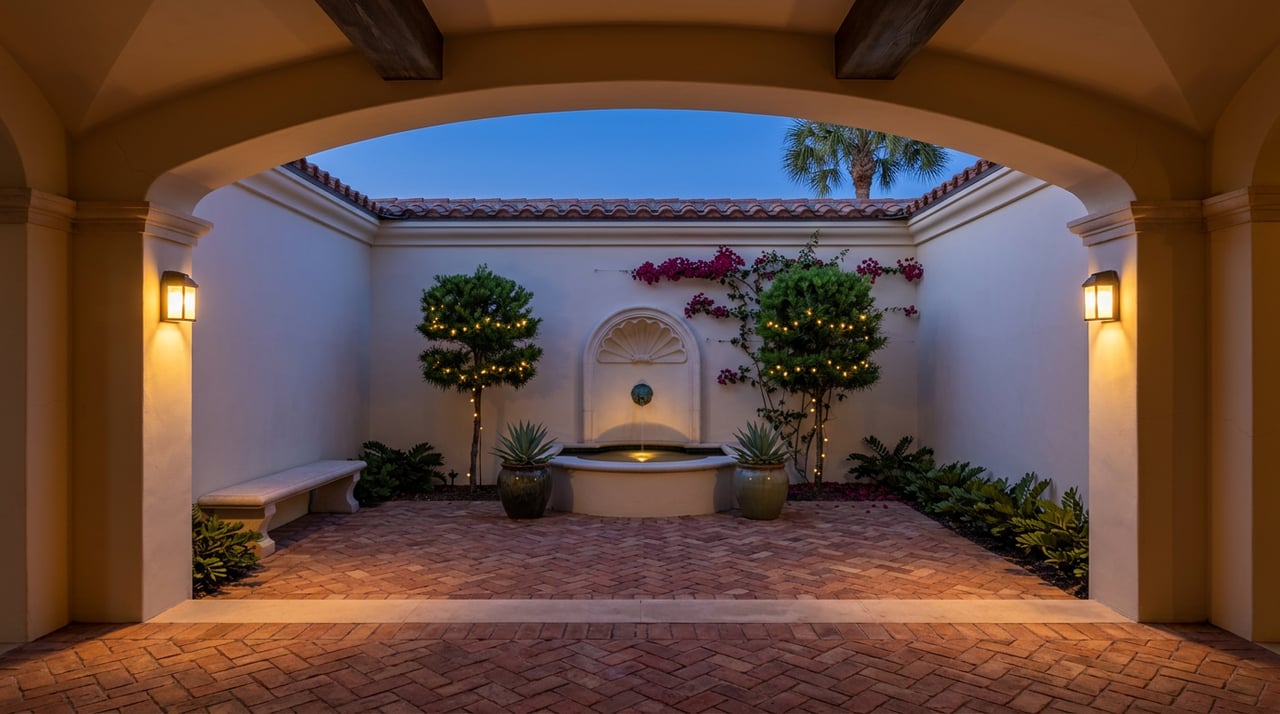
Part of the answer is next door, at Renato's, which has held its spot on Worth Avenue for decades without needing to reinvent itself. The walled garden courtyard, the string lights, the sense of privacy in the middle of the island's busiest shopping strip, these are the things regulars come back for, not menu innovation. The Italian menu stays close to tradition on purpose. That's the model the island rewards: a familiar room that feels private, run well, left mostly alone.
Café Boulud, Buccan, and Sant Ambroeus occupy the same category, Worth Avenue fixtures that anchor the dining scene without chasing trends. Buccan has held one of the hardest reservations in town for over a decade. None of these places are new, and none of them need to be.
Meanwhile, the actual disruption in Palm Beach County dining this year didn't happen on the island at all. Emelina, a 16-seat tasting counter in West Palm Beach's Flamingo Park district, became the first Cuban restaurant in the world to earn a Michelin star, just four months after opening. Chefs Osmel González and Camila Salazar built a menu that reimagines Cuban cuisine using ingredients sourced largely from South Florida farms and ranches. It's the most talked-about restaurant story in the county this year, and it required leaving the island to happen.
None of this is a complaint. It's a pattern worth understanding if you're deciding where to eat this season. The island rewards restoration over reinvention: a hundred-year-old building gets new investors and a new kitchen crew, a beloved name waits years for the right lease terms, and the truly new concepts are rare enough that you notice them by name. If you want the newest idea in South Florida dining right now, it's a short drive west to Flamingo Park. If you want the island's version of new, expect a familiar address wearing a fresh coat of plaster.
September gives you a low-stakes way to sample both sides of that split. Flavor South Florida, the state's largest restaurant month, runs through September 30 with prix-fixe menus at more than 100 participating restaurants across the Palm Beaches and the Treasure Coast. It's a reasonable month to try Coco's under its new ownership, revisit Renato's courtyard, and see for yourself which side of the island's dining story you'd rather be part of.
Whether you've lived here for years or you're just starting to pay attention to what's changing on your own street, that kind of local detail tends to matter more than any listing photo. If you're ever curious what any of this means for your own property on the island, or simply want a second opinion from someone who tracks these changes as closely as the restaurant reviews do, Jeanne Gordon is a call away.
Stay up to date on the latest real estate trends.


Get assistance in determining current property value, crafting a competitive offer, writing and negotiating a contract, and much more. Contact me today.