Equestrian Club in Wellington: Stables, Show Access, and Market Context
August 20, 2026
August 20, 2026
Equestrian Club Estates is a gated community of roughly 118 large single-family homes. Most homes do not have private stables; ten properties in Grand Prix Farms do. Wellington International is close by.
The distinction between homes with private stables and those without is useful context for understanding the community's pricing, sales, and rental market.
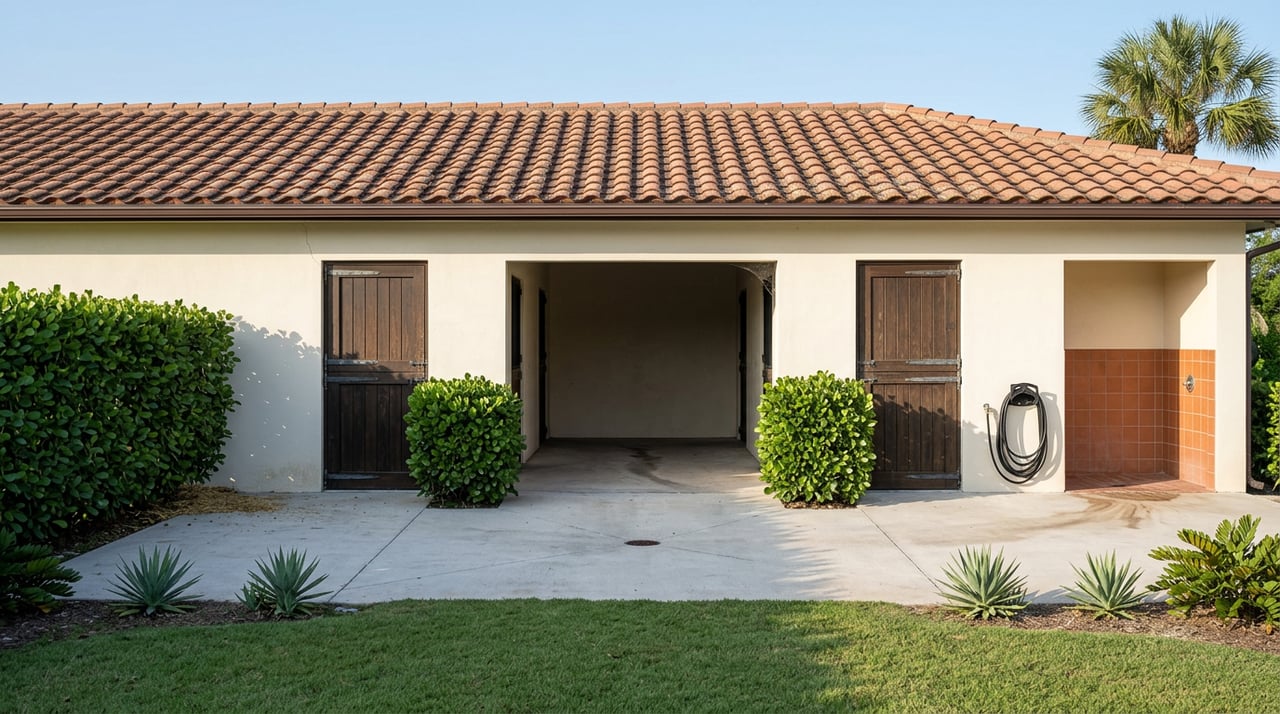
Inside Equestrian Club sits a smaller enclave called Grand Prix Farms, ten properties on lots ranging from roughly two and a half to five acres. These are the homes with the wash racks, tack rooms, and private riding rings. One recent listing offered six stalls with a covered jumper arena and a dedicated bridle path, the kind of setup that lets an owner train without ever loading a trailer.
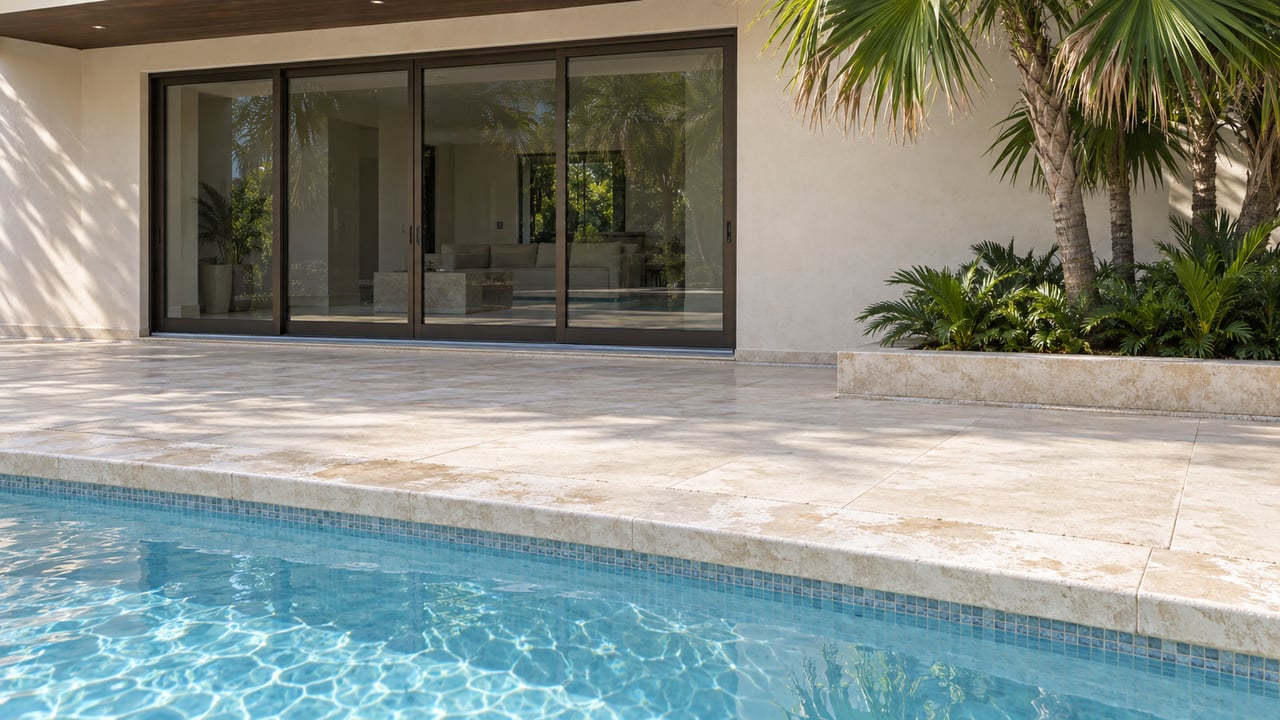
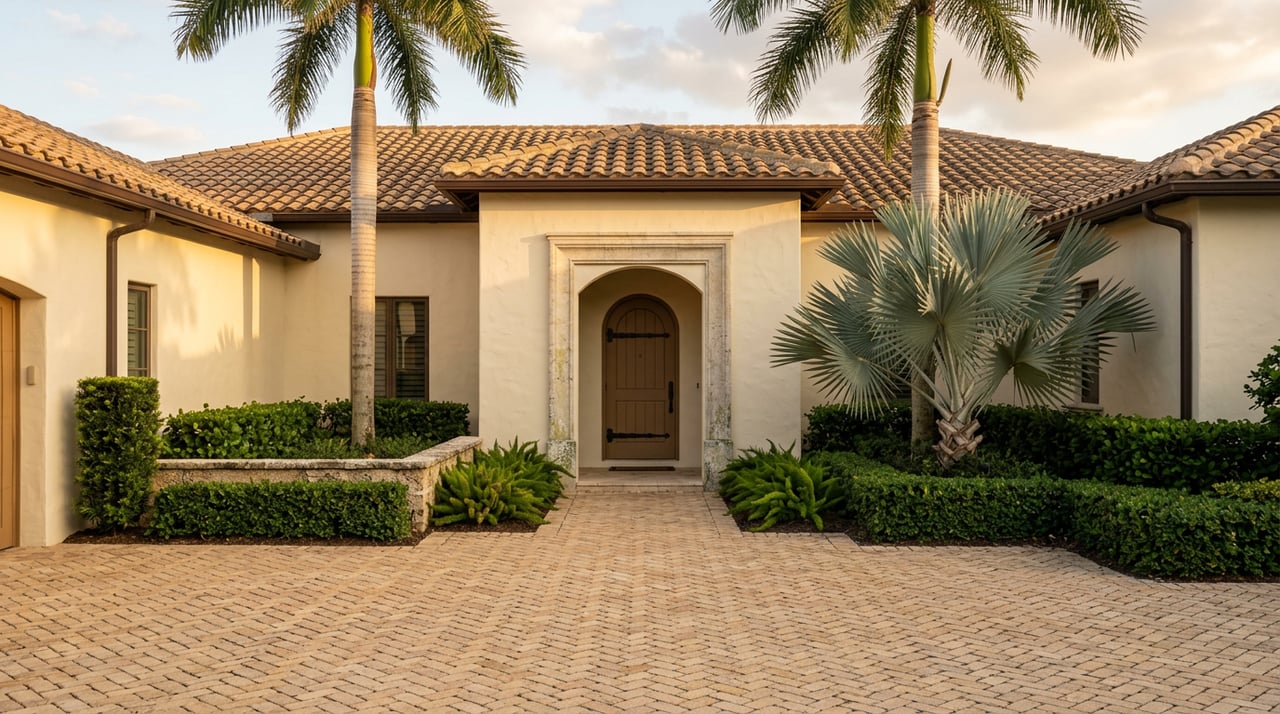
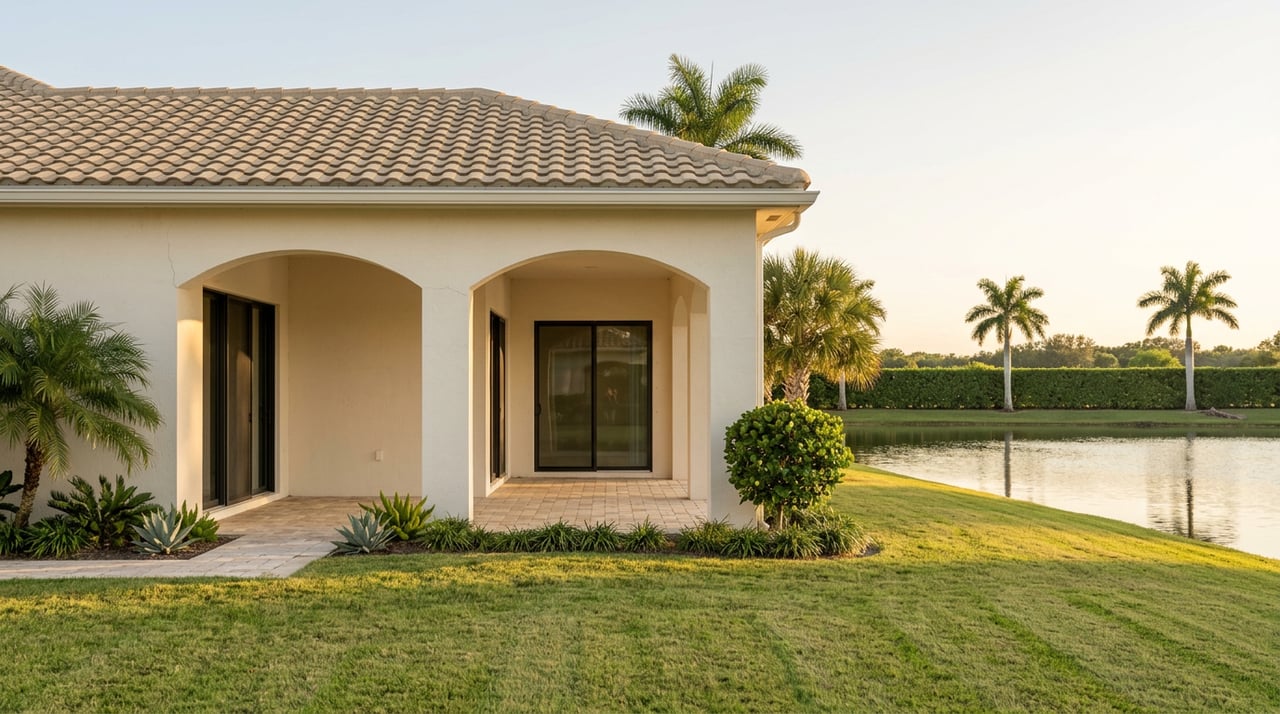
Everywhere else in the community, equestrian access is about proximity rather than acreage. The remaining homes sit on one-third to half-acre lots, built between roughly 2003 and 2005 by Centerline Homes, with three to seven bedrooms and the pools, summer kitchens, and gourmet kitchens you would expect at this price point. What they do not have is a barn. What they do have is a golf cart ride to one.
For a buyer comparing listings by square footage alone, the distinction may not be apparent in photos. Buyers considering keeping a horse on their own property should note that private stables are located in the ten-home Grand Prix Farms pocket.
If the product is not a barn, what is it? Proximity, and a specific kind of proximity. Equestrian Club sits close enough to Wellington International that residents can reach the show grounds on foot or by golf cart rather than by car. For a buyer who competes, trains, or simply wants to watch the sport without fighting event traffic, that distance is the entire value proposition.
For everyone else, that same proximity turns into something more useful: a rental calendar tied to a fixed, well-known event on the calendar. The 2027 Winter Equestrian Festival opens January 6 and runs for thirteen weeks, a schedule confirmed on Wellington International's own event calendar. That window brings a wave of competitors, trainers, and spectators who need somewhere to stay, and homes positioned close to the show grounds are the first to fill.
This is where the math starts to diverge from what a typical suburban buyer expects.
Seasonal rentals near the show grounds are not a side hustle. Listings for equestrian-oriented properties in Wellington during the WEF window have priced stalls alone at $20,000 for a six-month seasonal rent, a figure that covers stable space only, separate from the home itself. Full estate rentals during the season have been known to price well into five figures a month, and competition-grade properties with barns and covered arenas can command significantly more over the same stretch.
Even for owners who never rent their home out, that rental ceiling sets a floor under resale value. A buyer weighing an offer on an Equestrian Club home is not just pricing four walls and a pool. They are pricing a property that has a documented, recurring income option every January through April, whether or not the current owner has ever used it.
Proximity to the gate nearest the show grounds can help explain why homes with similar square footage have different asking prices.
As of June 2026, the median sale price in Equestrian Club sat near $1.5 million, or about $323 per square foot, with homes averaging 77 days on market and roughly 8.0 months of supply, a reading that puts the community in balanced territory. Those numbers are accurate. They are also thinner than they look.
With only about 118 homes in the entire community, a handful of sales in either direction moves the median substantially. Several portals tracking the neighborhood in the same window showed as few as two to four active listings at a time. That is not a market with enough volume to generate a reliable trend line month to month. It is a market where the last two or three closings can swing the average by tens of thousands of dollars per square foot, and where a buyer or seller who anchors too hard to a single quoted figure is working with less certainty than the number implies.
The practical takeaway is not to distrust the median. It is to treat it as a starting point rather than a verdict, and to look at the specific comparable sales behind it before setting an offer or a list price.
Inside that thin market, one pattern holds up consistently: updated homes are asking roughly 6 percent more per square foot than homes in original condition, and they are moving faster once listed. In a neighborhood built almost entirely between 2003 and 2005, that spread is not about age gaps between properties. It is about which owners have already absorbed the cost of a kitchen or bath renovation and which have not.
For a buyer, that means the entry point into Equestrian Club is rarely about finding the cheapest lot. It is about deciding whether to pay the renovation premium up front or budget for the work after closing, since the homes still carrying original 2004-era finishes are the ones most likely to need it. For a seller, it means a dated kitchen is not a cosmetic issue in this market. It is a line item the next buyer has already priced in.
Lot and view matter here too. Homes on interior lots tend to sit at the more accessible end of the range, while those with lake or bridle-path views land higher, and condition decides where a specific home falls within whichever band it starts in.
The community rewards two very different buyers well: the ten households in Grand Prix Farms who want a working equestrian property, and everyone else who wants proximity to the sport, a 24-hour guard gate, and a rental option that activates every winter whether or not they ever use it. It is a harder fit for a buyer who assumed the neighborhood's name meant every lot came with a stable, or who is pricing purely off a portal's median without accounting for how few sales actually built that number.
If you are weighing Equestrian Club against another gated community in Wellington, the questions worth asking are specific ones: is this a Grand Prix Farms lot or one of the other 108, what condition is the kitchen and bath package in relative to the 6 percent renovation spread, and how many comparable sales actually support the price you are being quoted.
Can I keep a horse on any lot in Equestrian Club? Only within the Grand Prix Farms enclave, the ten properties built with private stables, wash racks, and riding rings. The rest of the community does not permit on-site horse keeping, though residents are close enough to board and train at Wellington International.
How far is Equestrian Club from the show grounds? Close enough for golf cart access, roughly two miles by road, which is the distance most listings reference when describing the community's proximity to Wellington International.
Does the seasonal rental market apply even if I don't compete? It applies to the property, not the owner. A home's location relative to the WEF calendar sets a rental ceiling that factors into resale value regardless of whether the current owner has ever listed it for season.
If you are trying to figure out where a specific Equestrian Club home actually falls in that renovation spread, or whether a listing you are considering sits close enough to the gate to carry real seasonal rental value, that is exactly the kind of read worth getting before you make an offer. Jeanne Gordon has spent nearly three decades reading Wellington's equestrian communities house by house, and can walk you through what a specific price is actually built on. Request Your Home Valuation to start that conversation.
This article is general information, not legal, tax or financial advice. Consult a qualified professional about your situation.
Stay up to date on the latest real estate trends.


Get assistance in determining current property value, crafting a competitive offer, writing and negotiating a contract, and much more. Contact me today.