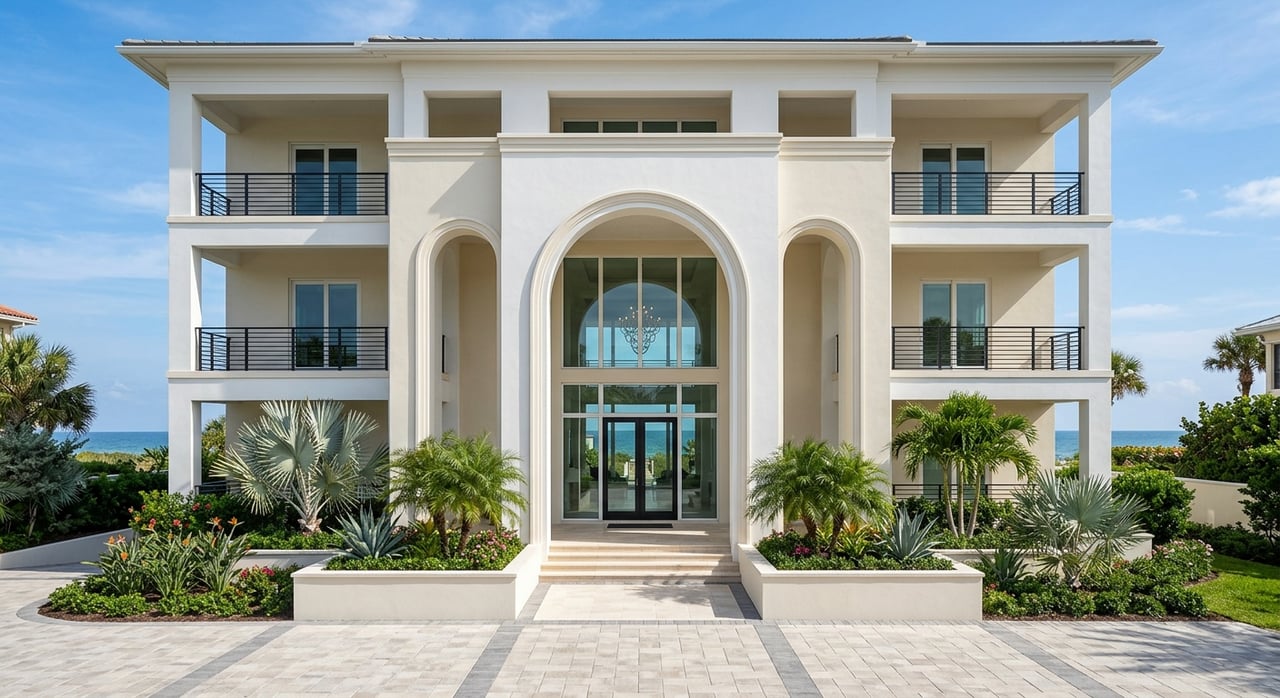
Buying A Condo Versus An Estate On Palm Beach Island
April 16, 2026
April 16, 2026
If you are deciding between a condo and an estate on Palm Beach Island, you are really deciding how you want to live, how you want to spend your time, and how much complexity you want in the buying process. For some buyers, a condo offers a simpler, more lock-and-leave lifestyle in a prime location. For others, an estate delivers the privacy, space, and control that make the higher price and upkeep worth it. This guide will help you compare both options in practical terms so you can move forward with more confidence. Let’s dive in.
Palm Beach Island is a small, high-value market, so sales data can move around quickly from quarter to quarter. In Douglas Elliman’s Q3 2025 Palm Beach report, the median sale price was $1.97 million for condos based on 54 closed sales and $9.97 million for single-family homes based on 8 closed sales.
A broader Q1 2025 Elliman report also shows the size gap clearly. Average condo size was 1,864 square feet, while average single-family size was 4,860 square feet. That difference helps explain why buyers often see condos as a convenience play and estates as a space-and-privacy play.
There is also a location pattern worth knowing. Corcoran’s 4Q 2024 report found that 75% of condo and co-op listed inventory was in the South End, which suggests the attached-housing market is more concentrated geographically than the estate market.
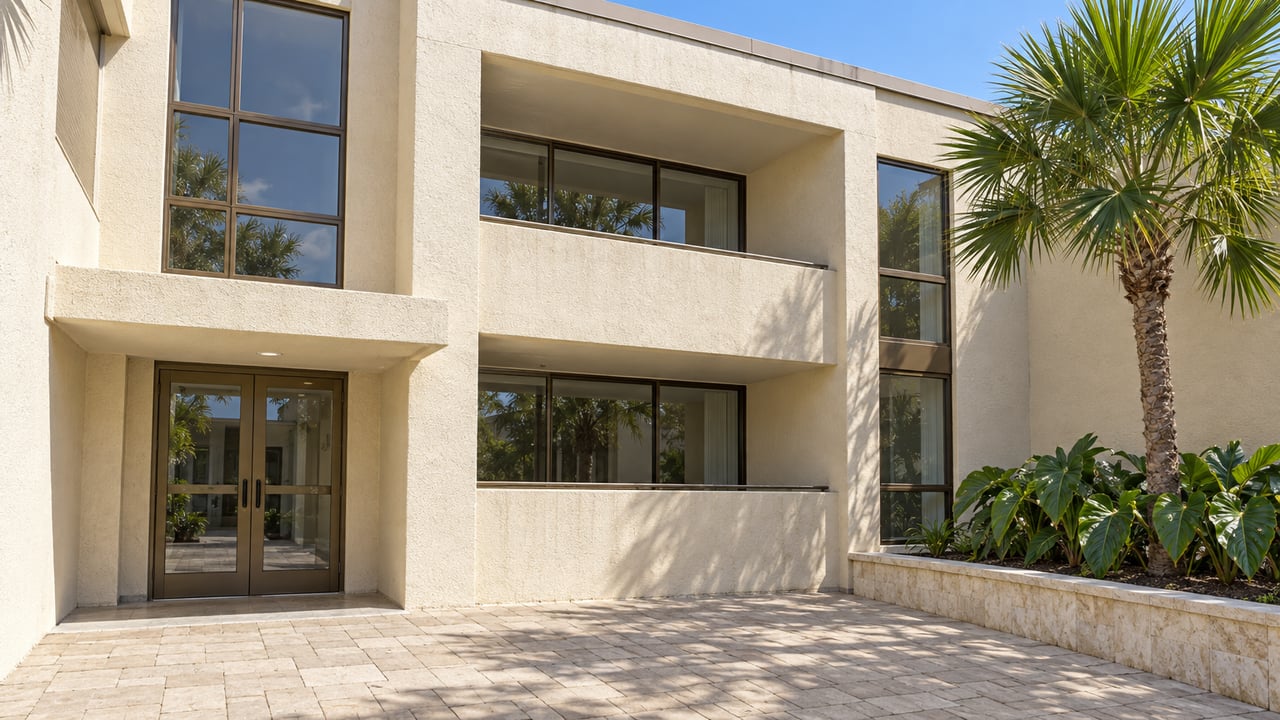
At the simplest level, a condo on Palm Beach Island usually appeals to buyers who want lower day-to-day maintenance and a location-first lifestyle. Fannie Mae’s condo guidance notes that condos are generally lower-maintenance homes, and they often come with shared amenities and association-managed common areas.
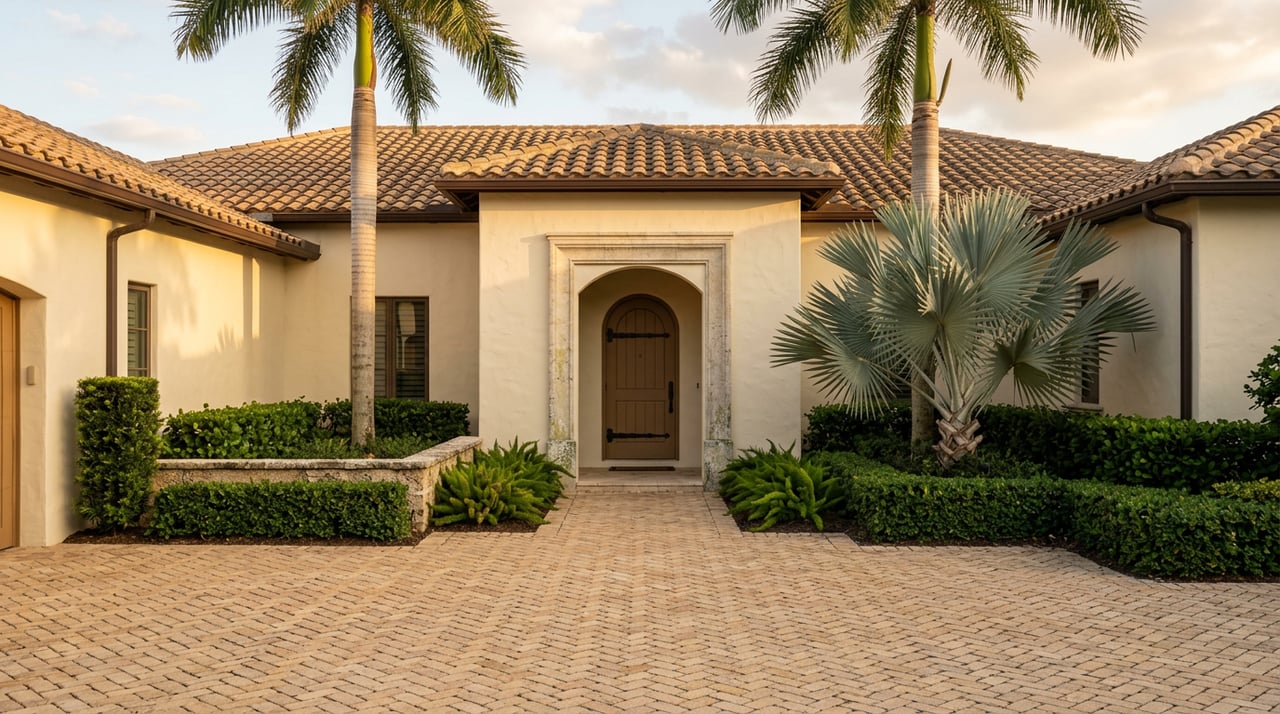
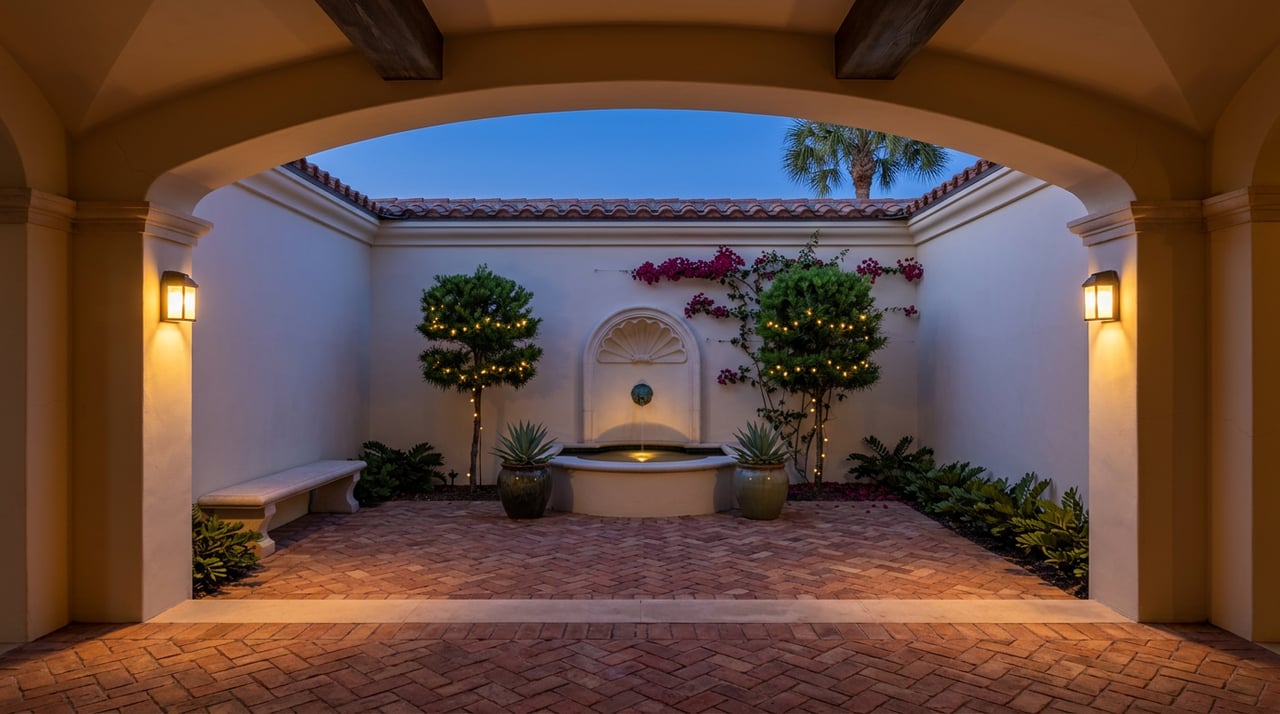
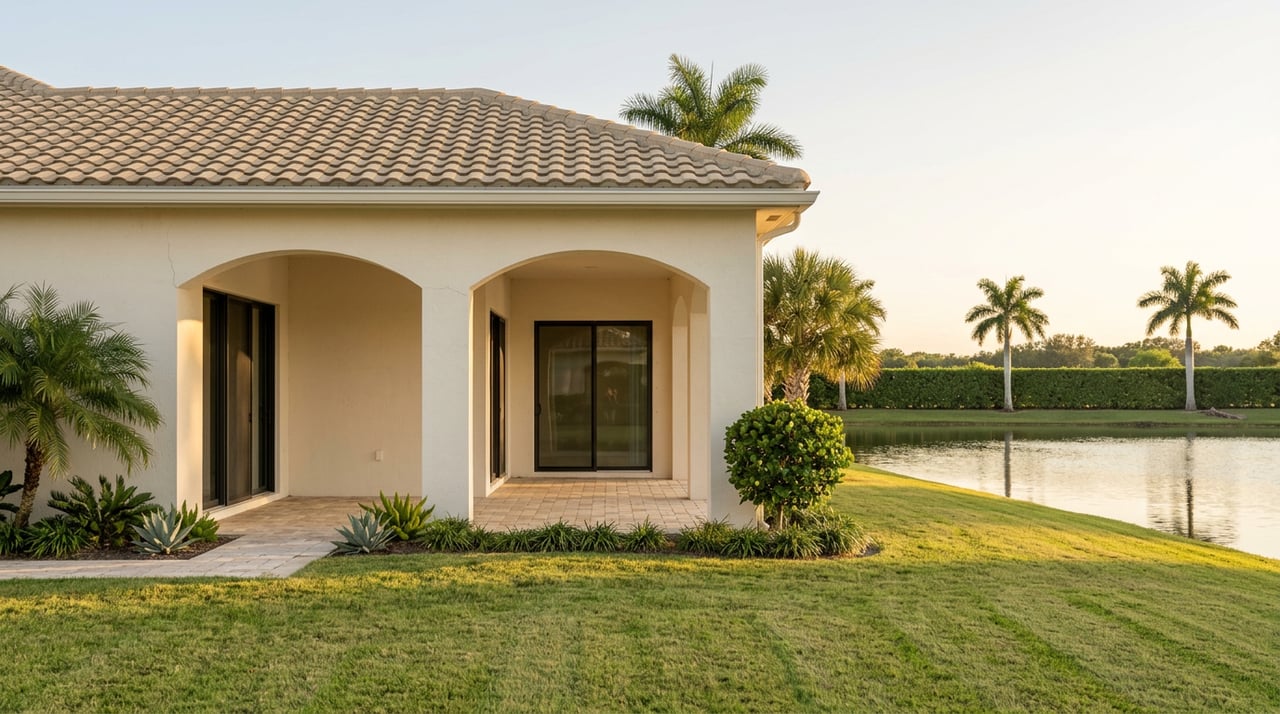
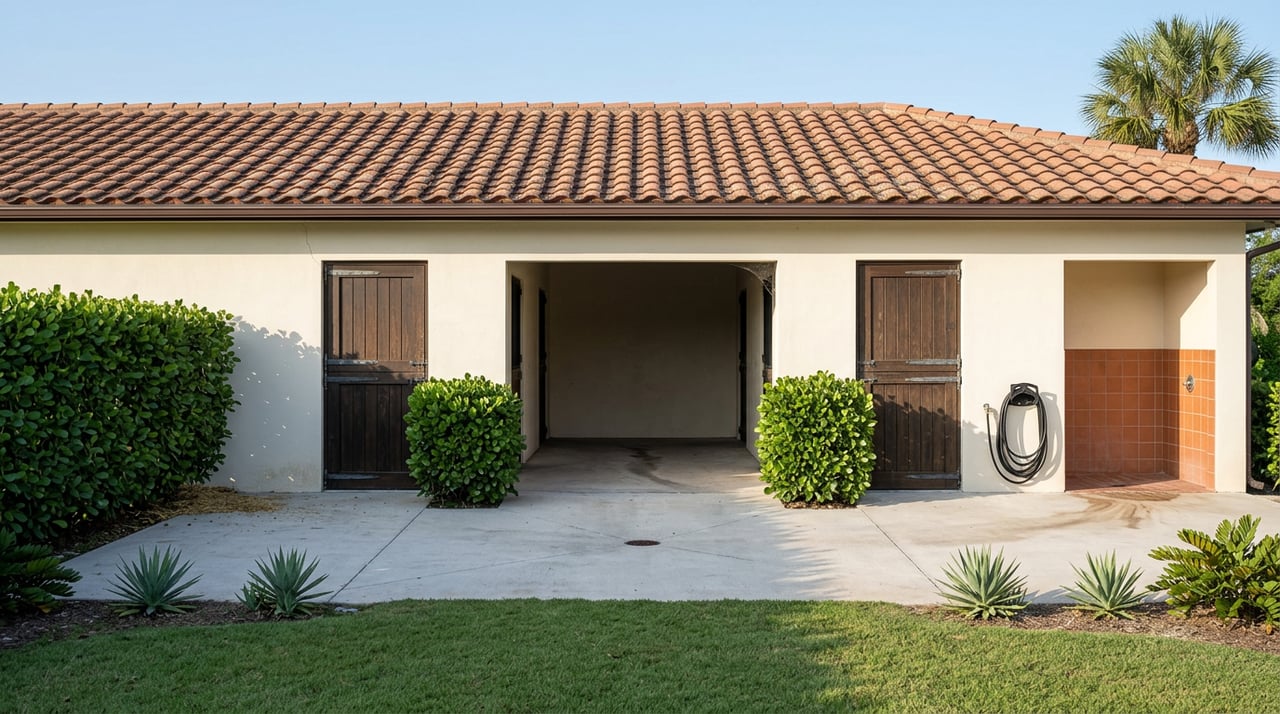
An estate is a very different ownership experience. You usually gain more land, more interior square footage, more separation from neighbors, and direct control over the property. That can be attractive if you value privacy, want more flexibility, or simply prefer not to answer to an association on exterior decisions.
A condo can make sense if you want Palm Beach Island access without taking on every maintenance task yourself. In many buildings, association fees help cover common-area maintenance, repairs, insurance for shared structures, and reserves, according to Fannie Mae’s HOA overview.
That shared structure often fits buyers who travel often or want a more predictable day-to-day routine. If you picture locking the door and leaving for weeks at a time, condo living may feel easier than managing a larger standalone property.
Condos can also offer a lower entry point than estates on Palm Beach Island. While “lower” is relative in this market, the price data show a major difference between attached and single-family homes, which can open options for buyers who want the Palm Beach address and lifestyle without the financial commitment of an estate.
An estate usually suits buyers who put privacy and autonomy first. You control the grounds, the structure, and most decisions tied to upkeep, repairs, and improvements. For many buyers, that direct ownership is a major advantage.
Space matters too. The Q1 2025 Elliman report showed average single-family homes were more than twice the size of condos. If you need extra rooms, larger outdoor areas, or more separation for guests and entertaining, that difference can be decisive.
The Palm Beach single-family market also trends heavily cash. The same report noted that nearly all single-family sales in that sample were cash, which points to a buyer pool that often prioritizes speed, discretion, and less dependence on agency-style financing rules.
One of the biggest practical differences is financing. With a condo, the lender is often reviewing more than just you and the unit. Fannie Mae explains that lenders may review the condo project’s physical condition, financial stability, structural debt exposure, evacuation orders, pending lawsuits, and inspection status.
Fannie Mae also notes that common reasons a condo project may be ineligible include critical repairs, deferred maintenance, inadequate insurance, significant pending litigation, and hotel or daily short-term-rental characteristics. If a project does not meet Fannie’s requirements, loans secured by units in that project are not eligible for sale to Fannie Mae until those issues are resolved.
By comparison, an estate purchase is often more straightforward from an underwriting standpoint because there is no condo project review layer. That does not mean financing is always simple, but it does remove one major category of approval risk.
Condo ownership often comes with a more layered monthly budget. The Consumer Financial Protection Bureau says condo or HOA dues are usually paid directly to the association and are usually not included in your mortgage payment.
Those dues may cover shared maintenance, insurance for common elements, and reserve funding. You may also need your own insurance for the interior of the unit, because master coverage generally applies to common areas rather than everything inside your home.
With an estate, you will not have condo association dues, but you will be directly responsible for the property’s maintenance, repairs, insurance decisions, and budgeting. The cost structure is less shared and more fully in your hands.
If you are buying a condo on Palm Beach Island, due diligence around the building is essential. Under Florida condominium law, a residential condominium association must complete a structural integrity reserve study at least every 10 years for buildings that are three habitable stories or higher.
That study must cover major components such as the roof, structure, fire protection systems, plumbing, electrical systems, waterproofing and exterior painting, windows, and exterior doors. Buildings meeting the height threshold also generally need milestone inspections by age 30 and every 10 years after that, with some cases requiring the first inspection at age 25 in salt-water proximity areas.
These rules do not apply in the same way to a single-family estate. That is one reason condo due diligence often requires a deeper review of association documents, inspection status, reserves, and future assessment risk.
Florida also tightened condo resale disclosures for contracts entered into after December 31, 2024. Under Florida Statute 718.503, sellers must provide the buyer with the milestone inspection summary, the most recent structural integrity reserve study if applicable, and other association documents.
If the required documents are not delivered properly, the buyer gets a 7-day cancellation right. For buyers, that makes document review even more important before you feel fully committed.
Another key difference is control. Fannie Mae’s condo buyer guidance notes that condo owners live with association rules that may govern what can and cannot be done to the home and common areas. Exterior changes and major alterations may require approval.
That structure can be helpful if you like consistency and shared standards. But if you want broad freedom over renovations, exterior updates, landscaping, or how you use the property, an estate usually offers more flexibility.
Condos and estates carry different resale considerations. With a condo, project-level issues can narrow the buyer pool if financing becomes harder. According to Fannie Mae’s condo eligibility guidance, project concerns like deferred maintenance, insufficient insurance, or litigation can affect loan eligibility.
An estate has its own market risks, of course, especially at the higher end where the buyer pool is smaller. But because Palm Beach’s single-family market is so cash-oriented, resale may be less tied to conventional condo-project approval standards.
If you are leaning toward a condo, make sure you understand the building as well as the unit. Key questions include:
These questions can affect not only your monthly cost, but also your financing options and future resale path.
If you are leaning toward an estate, your due diligence shifts more toward the property itself. The CFPB’s homeowners insurance guide notes that insurance cost can depend on rebuild cost, disaster risk, roof age, year built, and mitigation features. It also notes that flood damage typically requires separate coverage.
Helpful estate questions include:
If you want lower day-to-day upkeep, shared services, and a more lock-and-leave lifestyle, a condo may be the better fit. If you want privacy, larger living spaces, and direct control over the property, an estate may be the stronger long-term match.
On Palm Beach Island, there is no one-size-fits-all answer. The right choice depends on how you live, how often you use the property, your comfort with shared building oversight, and how you want your monthly and long-term costs to work.
If you are weighing a condo against an estate in Palm Beach, having local guidance can make the decision much clearer. Jeanne Gordon offers thoughtful, relationship-driven support to help you compare options, review the details that matter, and move forward with confidence.
Stay up to date on the latest real estate trends.


Get assistance in determining current property value, crafting a competitive offer, writing and negotiating a contract, and much more. Contact me today.