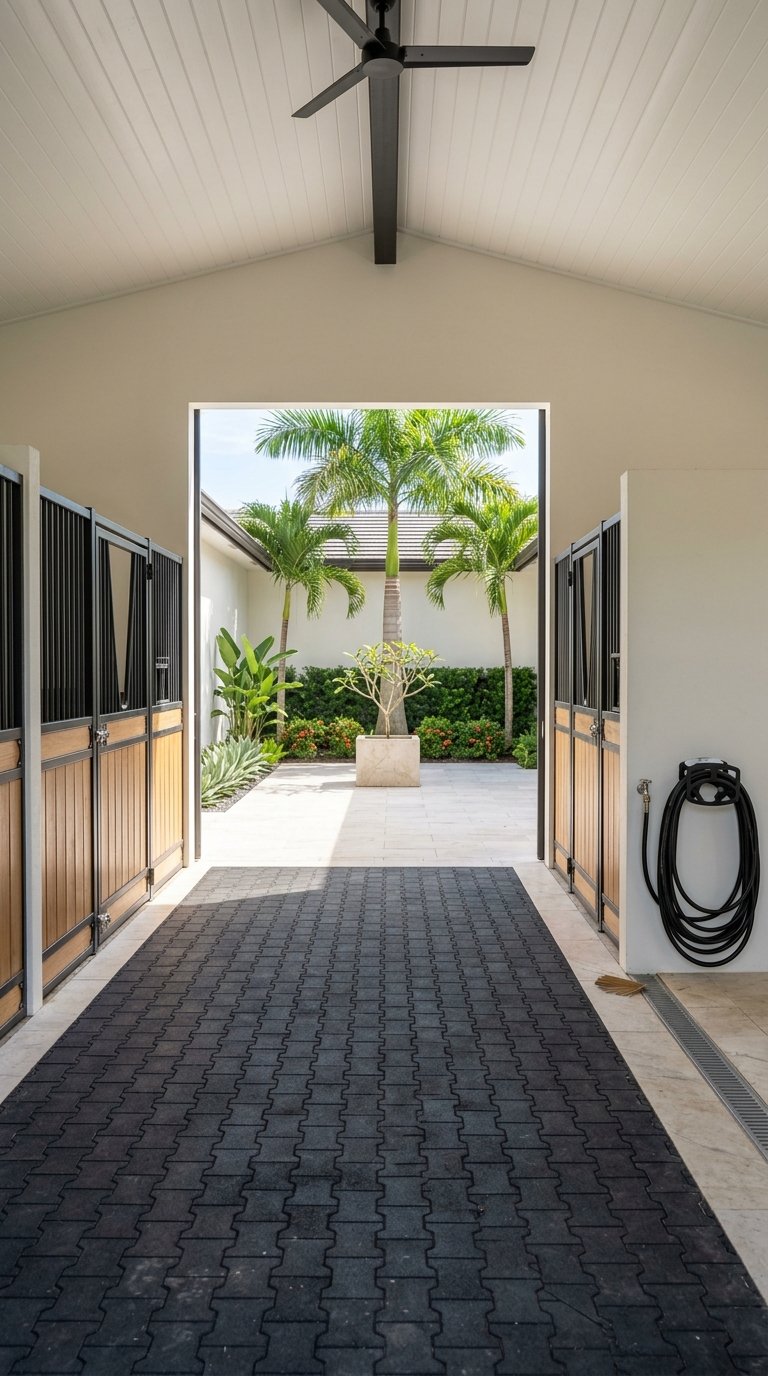
Preparing Your Wellington Equestrian Home For The Market
May 7, 2026
May 7, 2026
If you are getting ready to sell an equestrian home in Wellington, you are not just listing a house. You are presenting a property that serious buyers will judge for both lifestyle and horse usability within minutes. In a market shaped by seasonal competition, international traffic, and practical horse needs, the right preparation can help your home stand out quickly. Let’s dive in.
Wellington is a unique market because buyers often look at the home and the horse setup as one complete package. The Village of Wellington describes the area as an international equestrian community, with more than 57 miles of trails and a season that runs from November through April. At peak season, the village says Wellington has nearly 13,000 horses and that the equestrian community contributes more than $160 million each year to Palm Beach County.
That matters when you sell in or near Palm Beach Polo & Country Club. Buyers here may be shopping for a polished residence, but they are also paying close attention to turnout, airflow, trailer access, storage, and daily barn function. In many cases, they may be visiting from out of state or overseas and making decisions quickly based on photos, video, and short tours.
Wellington International adds another layer to this demand. Its winter schedule brings high-level competition from November through April, including the Winter Equestrian Festival and Adequan Global Dressage Festival, with participants coming from all 50 states and more than 34 countries. That kind of audience makes strong listing prep especially important.
In Wellington’s equestrian market, buyers often notice the horse areas before they remember the kitchen finishes. A beautiful property can lose momentum if the barn feels stuffy, the paddocks look tired, or the manure area appears unmanaged. Clean, functional, and clearly maintained spaces usually make a stronger impression than decorative touches alone.
Start by walking your property like a buyer who understands horses. Look for signs that the setup feels easy to use every day. If something seems inconvenient, damp, cluttered, or unclear, it is worth addressing before the property goes live.
Florida’s heat and humidity make barn comfort a major presentation point. UF/IFAS notes that shade, fresh water, and airflow are important for horses, and barn ventilation should help remove moisture, dust, ammonia, and other compounds.
For sellers, that means your barn should feel bright, dry, and well-ventilated. Open, clean aisles and well-positioned fans can help buyers see that the space is ready for active use. If the barn feels stale or humid, buyers may assume there are larger maintenance issues.
Water access and shade are not small details in South Florida. Buyers will notice whether waterers, wash racks, shade structures, and gathering areas look functional and well-maintained.
Before showings, make sure these areas are clean and easy to read. If horses remain on site, fresh water, tidy wash areas, and visible shade can reinforce that the property has been thoughtfully managed for Florida conditions.
Tack rooms can either support value or quietly detract from it. UF/IFAS notes that Florida humidity can lead to mold and mildew in tack storage, especially when leather goods and equipment are not stored carefully.
That means damp blankets, musty odors, and overcrowded shelves should be handled before photography. Aim for a tack room that feels clean, dry, and easy to maintain. Buyers should see usable storage, not deferred upkeep.
Pastures and paddocks play a big role in how buyers judge the overall operation. UF/IFAS recommends practices such as rotational grazing, mowing, weed control, soil testing, and regular review of pasture conditions and fence lines.
Even if a buyer plans to make changes later, the current condition still shapes their first impression. Trimmed turnouts, healthy footing, and a generally neat look suggest that the property has been managed with consistency.
Florida pasture management includes watching for toxic plants and fencing off unsafe spots. Buyers may not inspect every inch during a first visit, but they do notice obvious overgrowth, uneven areas, and neglected corners.
A pre-listing cleanup should include mowing, weed removal, and a close look at drainage or worn sections. The goal is not perfection. The goal is to show that the property is cared for and ready for regular horse use.
Fencing is one of the fastest visual signals on an equestrian property. Straight lines, working gates, and intact rails help buyers feel confident about safety and usability.
Well-maintained fencing also photographs better, which matters in a market where many buyers begin their search remotely. Secure latches, visible boundaries, and the absence of obvious hazards can make the property feel more professionally managed from the start.
Some of the most important prep work is not glamorous, but it strongly affects buyer confidence. In Wellington, experienced equestrian buyers usually notice management details right away. If those basics are handled well, the entire property tends to feel more valuable.
UF/IFAS notes that manure management should be planned in advance because piles can become unsightly, attract flies, and create odor. It also recommends placing storage on flat, dry ground, away from waterbodies, and out of sight from nearby public places.
Before listing, make sure muck areas look contained and intentional. Fly control, a neat composting or removal setup, and clean surrounding surfaces all help communicate that the property is operationally sound.
Feed rooms, equipment zones, trailer areas, and utility spaces should feel orderly. Buyers do not expect a working property to look empty, but they do expect it to feel manageable.
Clear pathways, labeled or grouped supplies, and uncluttered storage can make these spaces feel larger and more efficient. In a showing, that sense of order can reduce buyer hesitation.
In Palm Beach Polo & Country Club and the broader Wellington market, many buyers are shopping for more than a horse property. They are also looking for a refined South Florida lifestyle with strong indoor-outdoor appeal. Palm Beach Polo frames the community around both luxury living and equestrian access, which reflects what many buyers expect in this area.
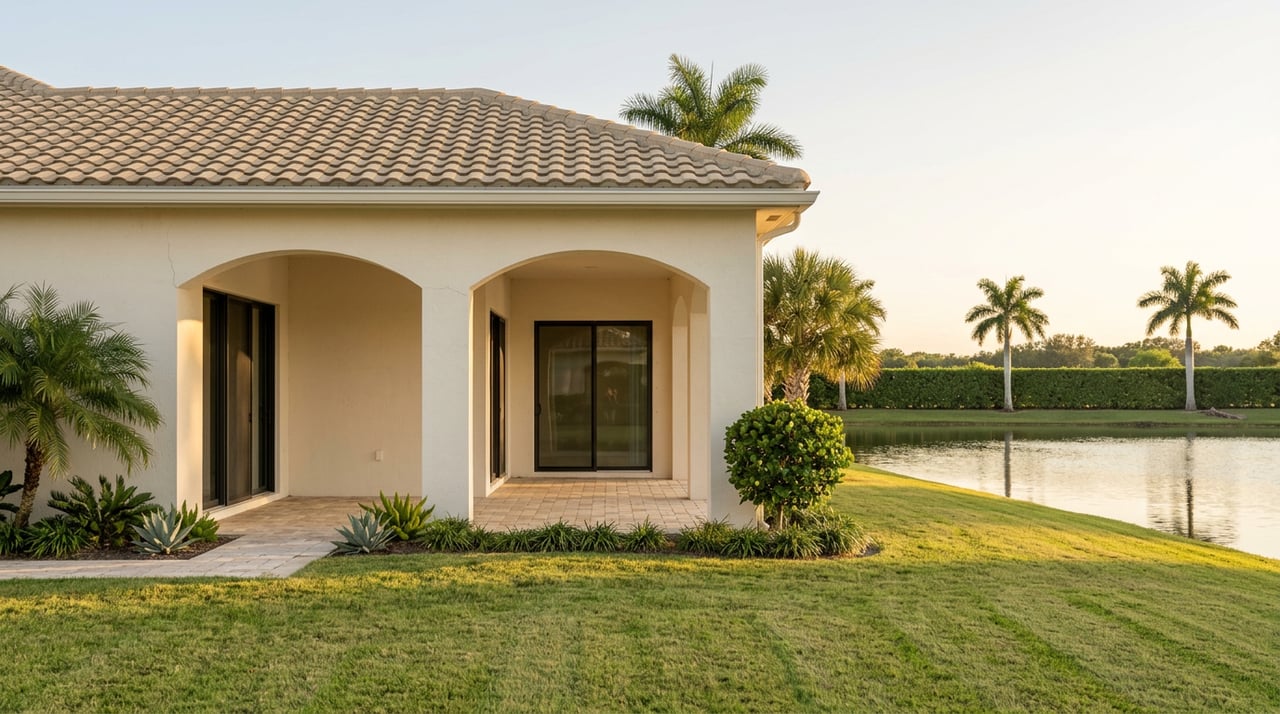
That means the residence should feel aligned with the barn and grounds. The home, outdoor living areas, and equestrian spaces should tell one consistent story of care, ease, and quality.
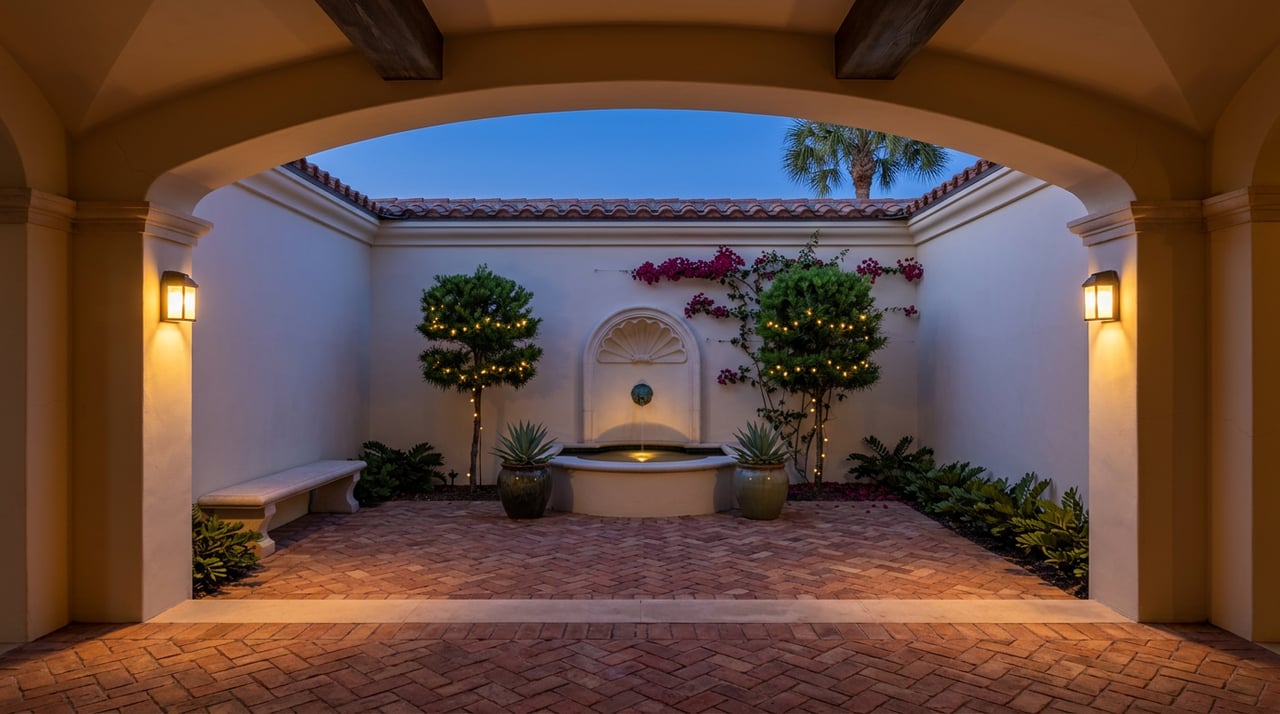
Focus on bright interiors, clean sightlines, and well-maintained outdoor spaces. In South Florida, buyers respond to homes that feel open, light, and ready for seasonal entertaining or quiet time between events.
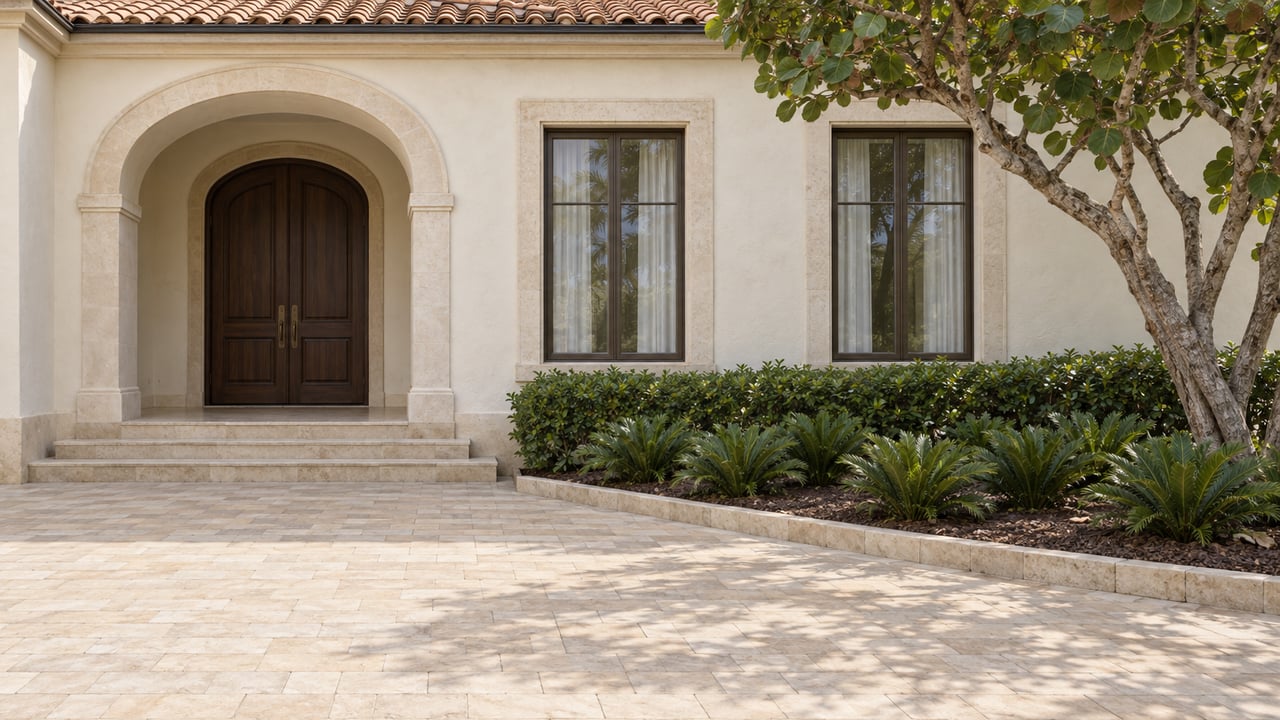
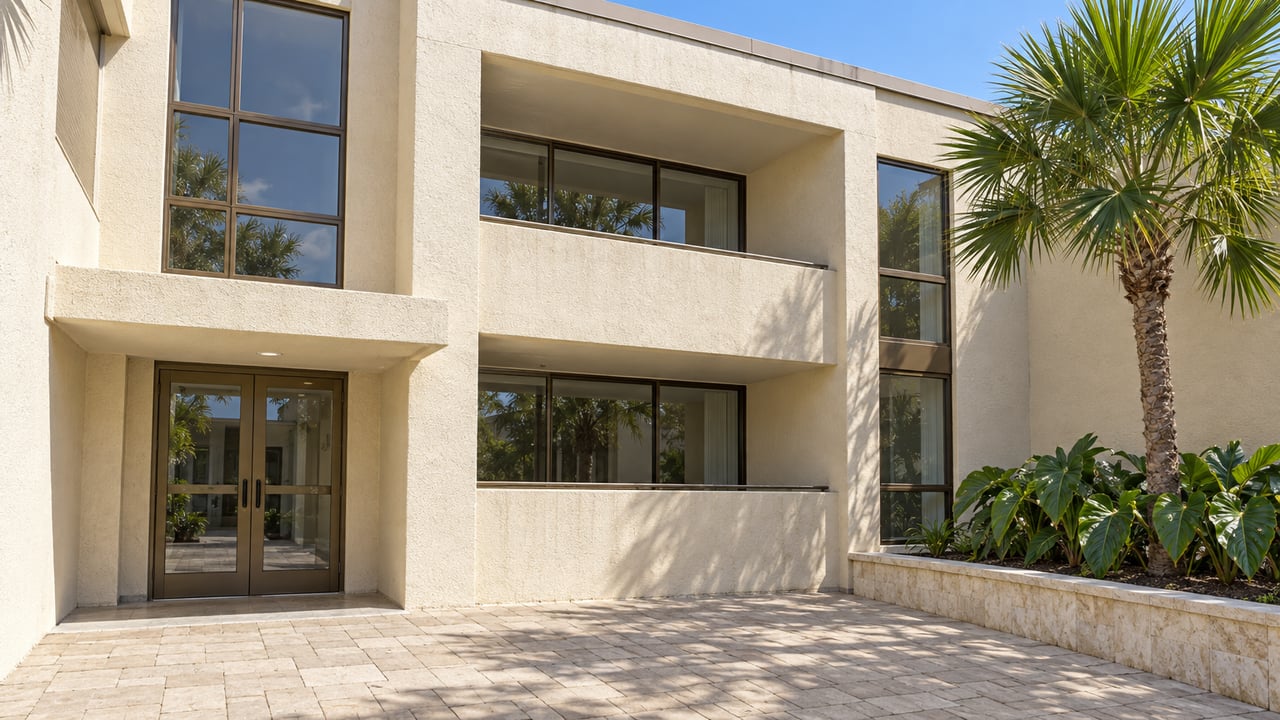
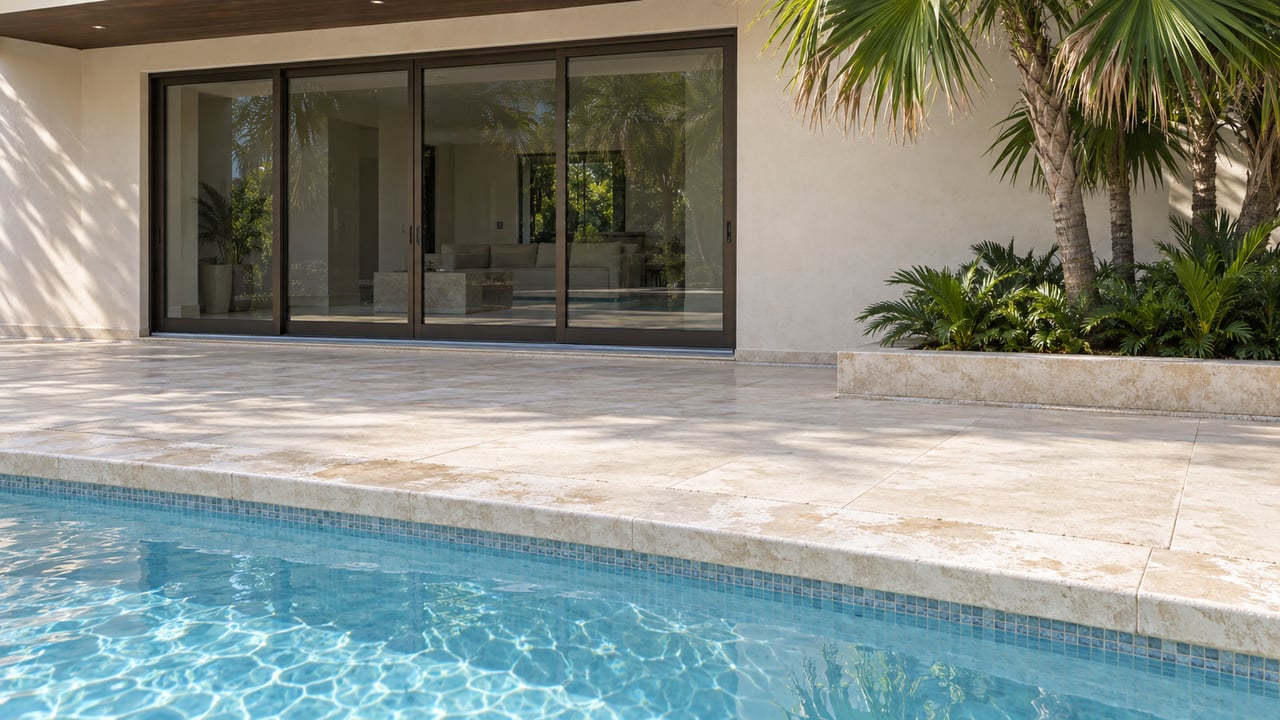
Fresh landscaping, pressure-cleaned hardscapes, and uncluttered patios or pool areas can help create that effect. The goal is to make the property feel polished without making it feel staged beyond recognition.
If your home has a sophisticated main residence but worn-looking barn entries or neglected side yards, buyers may struggle to reconcile the value. Try to make each part of the property feel equally considered.
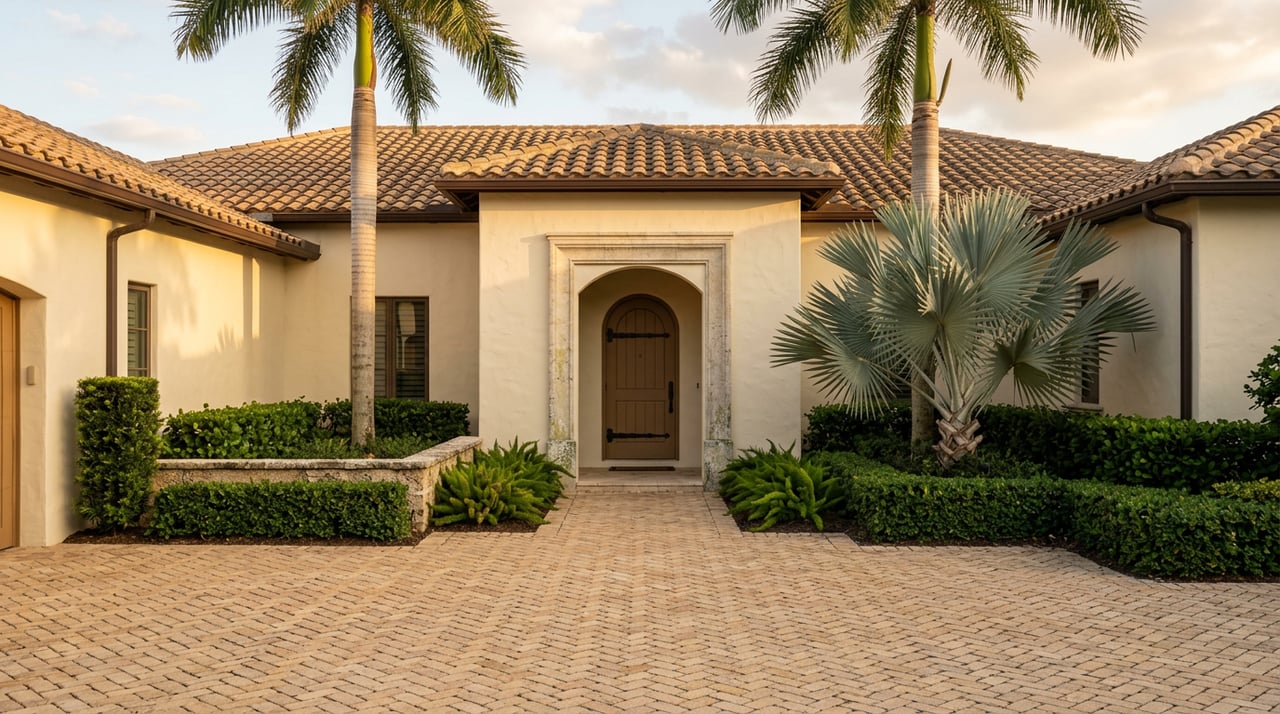
That includes entry drives, parking areas, barn approaches, and any route a showing guest will take. Consistency helps buyers feel that the property has been thoroughly maintained, not selectively improved.
Timing matters in Wellington because the buyer pool is highly seasonal. The Village of Wellington says the equestrian season begins in November and runs through April, while Wellington International draws major competition traffic through winter and early spring.
For many sellers, that means the best strategy is to complete repairs, photography, and staging before the season starts or early enough to catch peak activity. If your property is not ready until the busiest months are already underway, you may miss buyers who are making fast decisions during a short stay.
Do not treat photography as the first step. It should come after repairs, cleanup, and visual organization are complete.
Because many Wellington buyers begin remotely, your listing media may create the first and most important impression. Crisp photos and video of a clean, functional, horse-ready property can help motivate in-person tours from serious prospects.
Showings should feel easy and efficient. Buyers may want to understand barn layout, turnout areas, trailer access, and the relationship between the home and horse facilities in one smooth visit.
Walk the route in advance and remove friction where you can. Open sightlines, clean pathways, and a logical sequence can make the property easier to understand and remember.
If horses remain on site during the listing period, preparation should go beyond appearance. Wellington’s hurricane guidance for horse owners emphasizes advance planning, current vaccinations, negative Coggins tests when needed, health certificates for interstate movement, clear horse identification, and evacuation no later than 48 hours before hurricane-force winds are expected.
For sellers, this supports having key records and plans organized ahead of time. A thoughtful packet with barn details, veterinary documentation where appropriate, and storm-readiness logistics can reassure buyers that the property has been actively and responsibly managed.
In Wellington, a successful equestrian listing is rarely about one dramatic upgrade. More often, it is the result of many smart, practical details coming together. When the barn feels fresh, the paddocks look safe, the storage areas are dry, and the home presents a polished lifestyle, buyers can picture themselves moving forward with confidence.
That is especially true in a market tied so closely to seasonal competition and mobile buyers. If you prepare early and present the property as both a refined residence and a functional horse property, you give yourself a stronger chance to attract the right attention when it matters most.
If you are thinking about selling in Palm Beach Polo & Country Club or elsewhere in Wellington, Jeanne Gordon can help you position your property with the local insight, thoughtful preparation, and polished marketing that this market demands.
Stay up to date on the latest real estate trends.


Get assistance in determining current property value, crafting a competitive offer, writing and negotiating a contract, and much more. Contact me today.