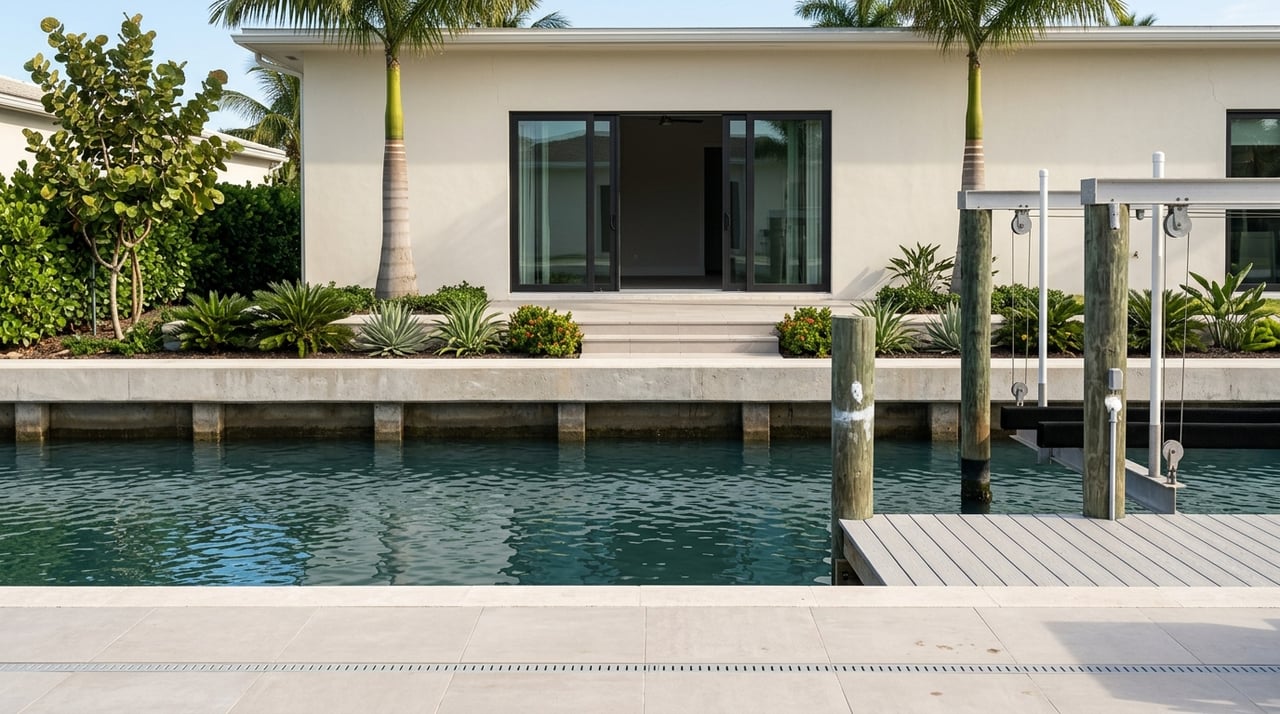
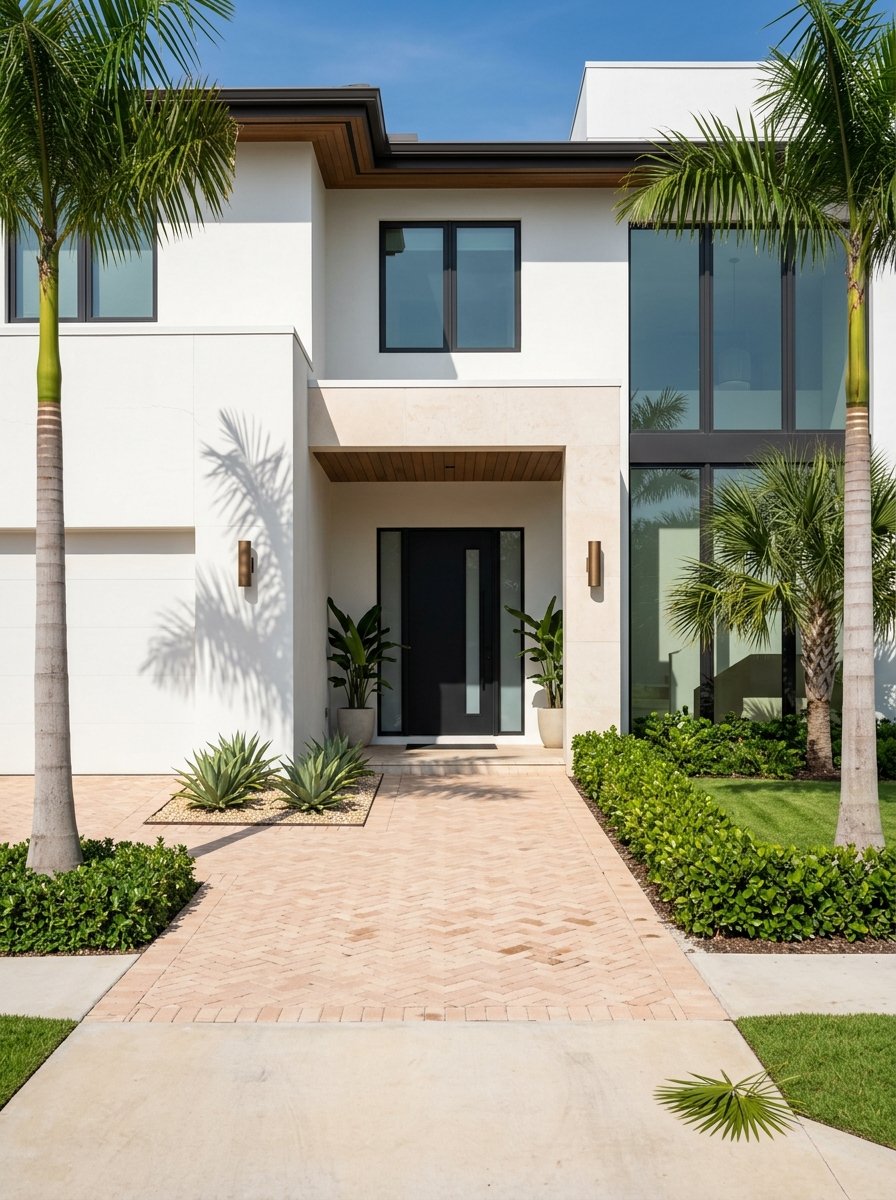
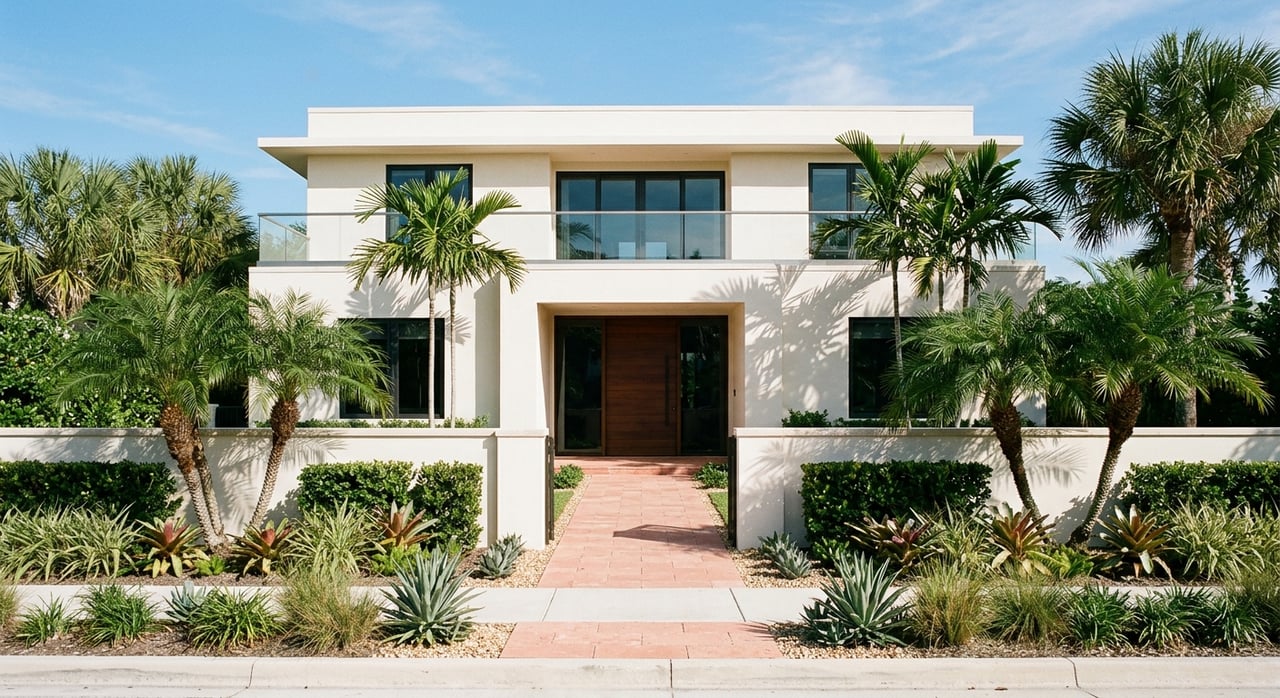
If you love golf and you’re eyeing rental income, PGA Village in Port St. Lucie might already be on your shortlist. It blends 54 holes of championship golf with gated-community comforts, which can be a rare mix for investors. Still, returns in golf communities hinge on the right unit, the rules that govern it, and how you operate the rental. In this guide, you’ll learn how PGA Village works, who rents here, what to budget, and where the risks hide. Let’s dive in.
PGA Village at a glance
PGA Village is built around the PGA Golf Club, including 54 holes, instruction, and performance facilities that shape the community’s lifestyle and value. You can explore the courses and programming on the official site to understand the draw for golfers and visiting guests. Visit the PGA Golf Club overview for details.
Inside the gates, the Island Club offers fitness, pool, studios, and event spaces, and there are courts and playgrounds throughout the community. Pedestrian and golf-cart links to the club help renters and second‑home owners enjoy easy access to the main attraction. The Property Owners Association (POA) manages roads, preserves, access control, and Island Club operations, while sub‑associations set neighborhood-specific rules and dues. You can review POA services and rules in the PGA Village POA Residents Handbook.
Who PGA Village fits
- Golfers and club-focused buyers who want on‑site courses and instruction.
- Snowbirds and second‑home owners who prefer winter and spring stays in a gated, amenity‑rich setting.
- Investors seeking flexible-use condos near the course, or single‑family homes on golf-front lots for personal use plus seasonal or annual leasing.
If your top priority is golf access, you’ll find the lifestyle alignment strong. If your top priority is pure yield, your returns will depend on unit type, HOA rules, and the balance between seasonal highs and off‑season softness.
Rental demand and seasonality
PGA Village sees three main rental paths:
- Short-term vacation rentals. Some condo layouts near the course are often marketed for nightly and weekend stays. Short‑term demand rises with golf events and peak travel months. Before you assume nightly rentals are allowed for your target unit, confirm minimum lease terms with the specific sub‑association.
- Seasonal “snowbird” rentals. The strongest window typically runs November through April, with February and March as peak months. Port St. Lucie’s role as the New York Mets’ spring‑training home at Clover Park adds a notable spike in short-term demand during February and March. See the Mets spring‑training schedule for timing.
- Annual leases. Some owners prefer 12‑month tenants for lower turnover and steadier income. This approach often fits single‑family homes and condos in sub‑associations with longer minimum lease terms.
Expect higher rates and occupancy in winter and early spring, followed by softer shoulder and summer months. Your pro forma should reflect that seasonality.
HOA and POA rules that matter
Before you write an offer, understand PGA Village’s governance. The master POA oversees access, Island Club operations, and certain resident services, while your sub‑association sets rental minimums, application steps, and what’s included in monthly dues. The POA publishes standardized forms, including Intent to Lease and a rental application. Review the POA Residents Handbook and request your sub‑association’s covenants, rental addenda, and recent board minutes.
Two rules often surprise investors:
- Island Club access for renters. POA guidance ties Island Club access cards for renters to a lease of 6 months or longer. Nightly or weekly guests may not automatically receive Island Club access without specific arrangements. This affects guest experience and pricing power, so verify the policy before you market an STR.
- Gate and guest passes. The POA uses T‑stickers and temporary guest passes with defined windows. If you operate frequent turnovers, build a clear arrival process to avoid check‑in friction.
Minimum rental terms vary by sub‑association and even by building. Some allow short stays; others require 14 days or several months. Always confirm the exact rule set for the unit you’re targeting.
Regulatory checks for short‑term use
Florida treats frequent transient rentals as a form of public lodging that can require a state DBPR vacation‑rental license, along with state and local tax registrations. City and county registration requirements may apply based on frequency and term of stays. Because rules evolve, confirm the latest DBPR guidance and local tax steps before advertising nightly stays. A practical summary of state considerations is available here: Florida short‑term rental rules overview.
Costs and cap-rate benchmarks
Cap rates for Florida vacation‑oriented properties vary widely by location and asset type. Industry analyses of vacation‑home markets often place stabilized yields around 4 to 7 percent for amenity‑rich, short‑term rental product, depending on occupancy, ADR, and operating costs. See the benchmark ranges discussed in Vacasa’s Florida markets overview.
For annual rentals and inland single‑family properties, many investor guides show net cap expectations near 4 to 6 percent in recent years, with results influenced by interest rates, insurance, and HOA dues. See ranges summarized by Start 1031.
Your property-level underwriting should account for:
- HOA/POA dues. Monthly fees vary by sub‑association and can be a major line item, especially for condos or gated single‑family enclaves. Confirm what dues include and whether there are pending assessments.
- Insurance. Florida’s property insurance costs remain elevated relative to many other states. Budget carefully for wind/hurricane coverage and consider flood insurance if required by location and lender. Review context here: Florida homeowners insurance trends.
- Property management. Full-service STR managers often charge a higher percentage of gross revenue than long-term managers. Compare service levels and fees, and build them into NOI.
- Utilities, maintenance, reserves. Factor owner-paid utilities for STRs and routine maintenance reserves for both condos and single‑family homes.
- Vacancy and turnover. Expect strong winter occupancy and softer off‑season. Align your pro forma with local seasonal patterns and your chosen rental model.
Simple cap-rate check
Use a quick 3‑step method to spot‑check potential returns:
- Purchase price. Start with a realistic price for the exact product type and location within PGA Village.
- Net operating income. Estimate gross annual rent by month, then subtract HOA/POA dues, insurance, management, utilities, maintenance, reserves, and property taxes.
- Cap rate. Divide NOI by purchase price.
Example for illustration: If a Golf Villas‑style condo trades near 280,000 dollars and a conservative annualized NOI after all expenses is 14,000 dollars, the implied cap rate is about 5.0 percent. Your actual results will vary by rental model, HOA dues, insurance quotes, and occupancy. Always request real performance data when available and test downside cases.
Market context and long‑term drivers
Population growth in Port St. Lucie and St. Lucie County supports steady housing demand over time. You can review city-level trends in the latest U.S. Census QuickFacts. On the supply side, monthly Florida Realtors reports show that county inventory and months’ supply move with the cycle, which affects pricing and time to rent or sell. For a snapshot of St. Lucie County metrics, see the Florida Realtors market report.
Within PGA Village, golf-front lots and proximity to the club are finite, which can help support premiums. Still, appreciation is product‑specific. Condos near the course and estate‑style single‑family homes will not move in lockstep. Compare micro‑locations, view corridors, and renovation quality when modeling resale potential.
Risks and red flags to watch
- Rental restrictions and amenity access. If short stays are restricted or if nightly guests cannot use the Island Club, your STR pricing power may be limited. Confirm policies in the POA Residents Handbook and your sub‑association documents.
- Licensing and taxes. Frequent short‑term rentals may trigger DBPR licensing and tourist tax compliance. Review the Florida short‑term rental rules overview and verify county/city steps.
- Insurance and weather risk. Budget conservatively for wind/hurricane coverage and consider flood exposure. See Florida homeowners insurance trends.
- Seasonality and management overhead. STRs can be hands‑on with variable occupancy, especially outside peak season. If your sub‑association sets longer minimums, an STR model may not fit.
- HOA assessments and reserves. Review budgets, reserve studies, and recent minutes for signs of underfunding or planned major projects.
Due‑diligence checklist
Use this quick list as you evaluate a PGA Village opportunity:
- Pull the POA Residents Handbook and your target sub‑association’s covenants, rules, rental addenda, and the last few board minutes. Start here: POA Residents Handbook.
- Verify monthly dues, transfer/application fees, and any special assessments. Confirm what dues include, such as cable, water, exterior maintenance, or security.
- Confirm renter access rules for the Island Club, plus T‑sticker and guest pass procedures. Ask how short stays are handled and what documentation is required.
- Check licensing and tax obligations for STRs: DBPR license, county tourist tax registration, and platform collection rules. See the Florida short‑term rental rules overview.
- Get insurance quotes for landlord coverage, wind/hurricane, and flood as needed. Reference Florida insurance context.
- Validate revenue. Request 12–24 months of actual rental performance for the unit or manager-provided comps. Align assumptions with winter peaks and off‑season dips.
- Interview managers. Compare STR vs annual management fees and guest logistics support, especially around POA access and check‑ins.
- Model multiple cases. Run an annual lease case, a seasonal/STR case, and a conservative leveraged case with buffers for insurance and vacancy.
Bottom line
PGA Village can be a smart fit if your investment thesis values golf lifestyle, gated convenience, and seasonal income potential. The strongest results come when the unit’s rules, amenities access, and layout match your rental plan. Build a clear operating playbook for guest access, pressure‑test your pro forma for seasonality and insurance costs, and confirm HOA details before you bid. If you want a guided path through the options and the rules, connect with a local advisor who lives this market.
Ready to explore PGA Village opportunities or compare STR vs annual scenarios? Reach out to Jeanne Gordon for tailored guidance and a plan that fits your goals.
FAQs
Is PGA Village good for short‑term rental investing?
- It can be, but success depends on the specific sub‑association’s minimum lease rules and POA access policies. Some condos are more STR‑friendly, while others require longer stays that suit seasonal or annual leases.
What HOA and POA rules affect renters in PGA Village?
- The POA manages access control and Island Club operations. The handbook notes that renters need a 6‑month or longer lease for Island Club access, and guest passes have defined windows. Always verify details in the POA Residents Handbook.
When is peak rental season in Port St. Lucie?
- Winter and early spring are strongest, with February and March boosted by the New York Mets’ spring‑training crowds at Clover Park. Check the spring‑training schedule for exact dates.
What cap rates can I expect in PGA Village?
- Vacation‑oriented Florida properties often stabilize near 4–7 percent, while many inland annual rentals show 4–6 percent, depending on costs and pricing power. See benchmark discussions from Vacasa and Start 1031. Your property‑level numbers will vary.
Do short‑term guests get Island Club access?
- Not by default. POA guidance ties Island Club access cards for renters to a 6‑month (or longer) lease. Confirm current procedures with the POA before marketing club access to short‑term guests.